

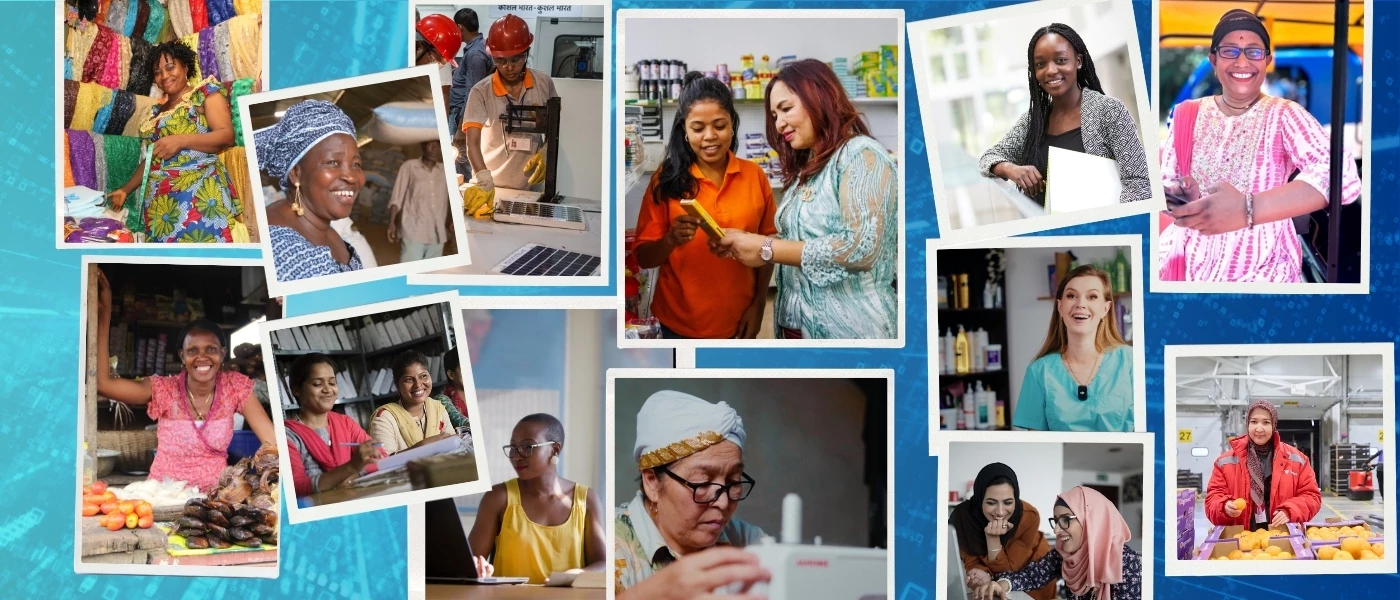
Women are powerful drivers of jobs, innovation, and economic resilience. Yet too many still face barriers to quality jobs, entrepreneurship, leadership, and finance. Globally, women’s participation in the workforce has stayed at about 53% since 1990, compared with 80% for men. This gap wastes human potential and holds back growth. Closing it is not only fair, it is essential for economic progress.
The world also faces a wider jobs challenge. Over the next decade, more than 1 billion young people in developing countries will enter the workforce, but only about 400 million new jobs are expected to be created. Research shows that removing obstacles to women’s economic participation boosts productivity, sparks innovation, and creates jobs. Closing gender gaps in work and entrepreneurship could increase global GDP by up to 20%.
The World Bank Group, through IBRD, IDA, and IFC, focuses on giving women and girls the education, skills, and health they need to succeed. It also works to end violence against women and supports changes to laws and regulations so women can own land, enter markets, and compete on equal terms. In Mozambique and Madagascar, the East Africa Girls Empowerment and Resilience Program (EAGER) has helped 611,000 girls stay in school, with more than 2 million community members taking part.
These efforts are anchored in measurable outcomes. By 2030, the World Bank Group aims to expand broadband use to 300 million more women, extend social protection to 250 million more women, and increase access to capital for 80 million women and women-led businesses.
IFC works with the private sector to increase women’s participation in the economy at scale. Its priorities are:
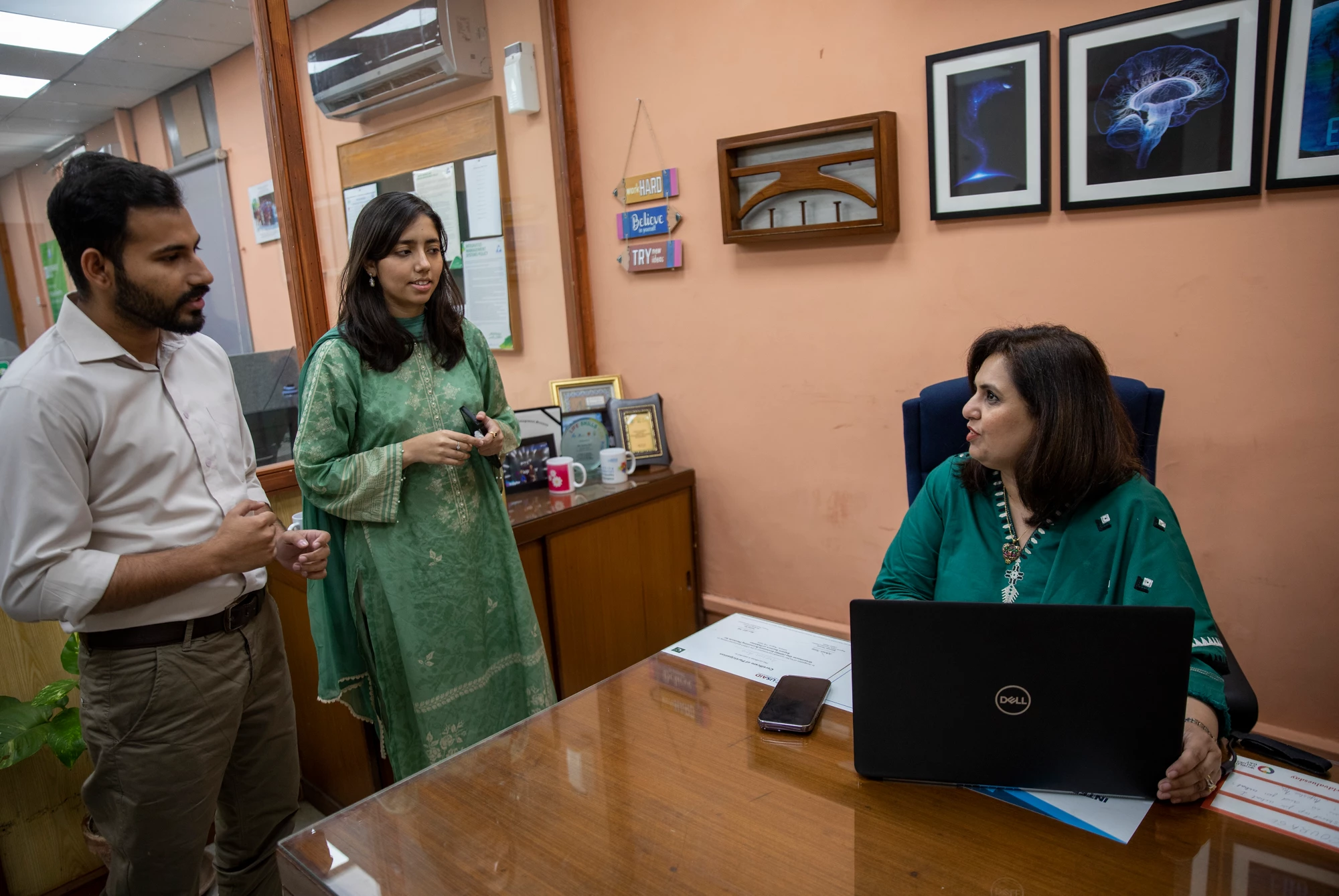
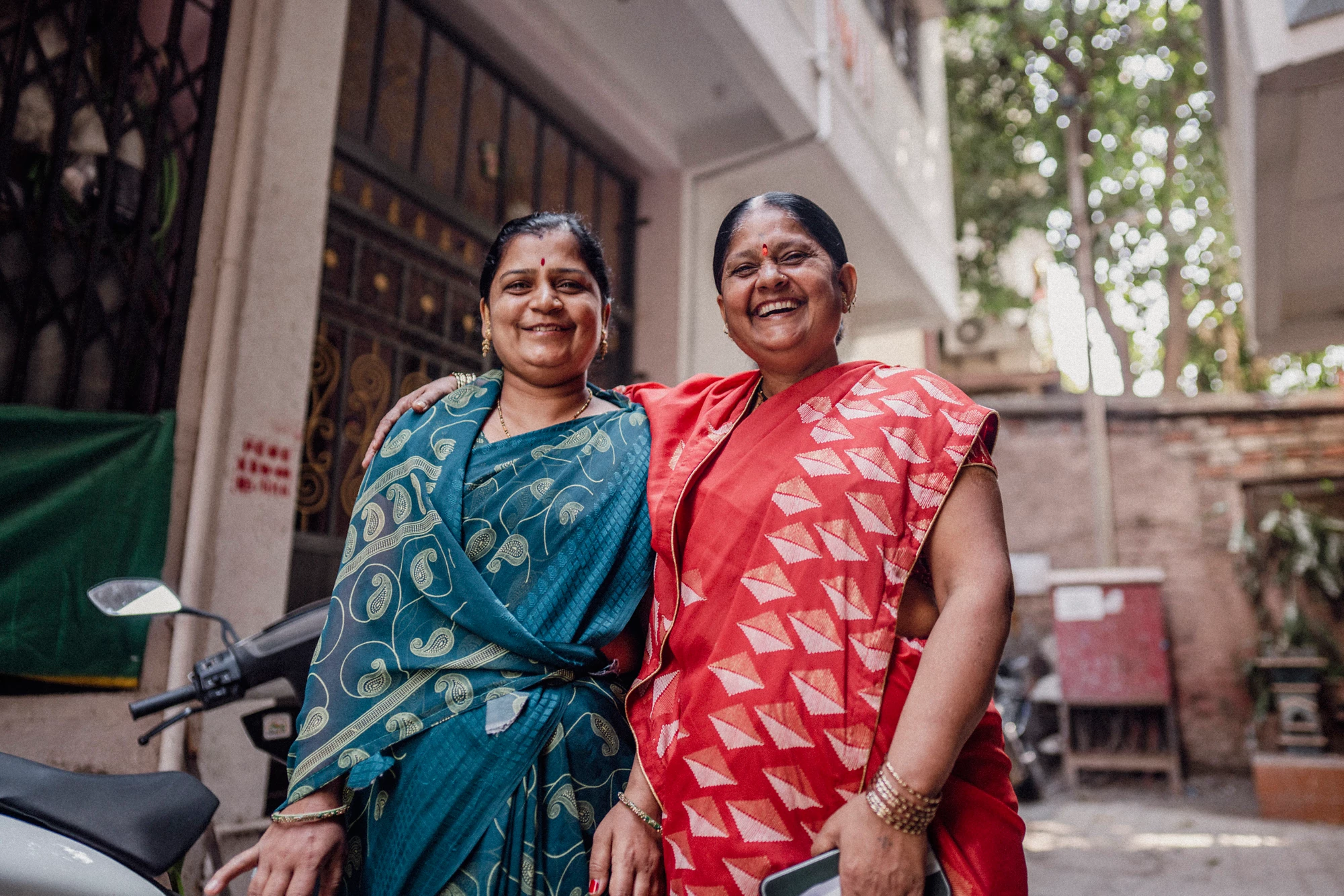
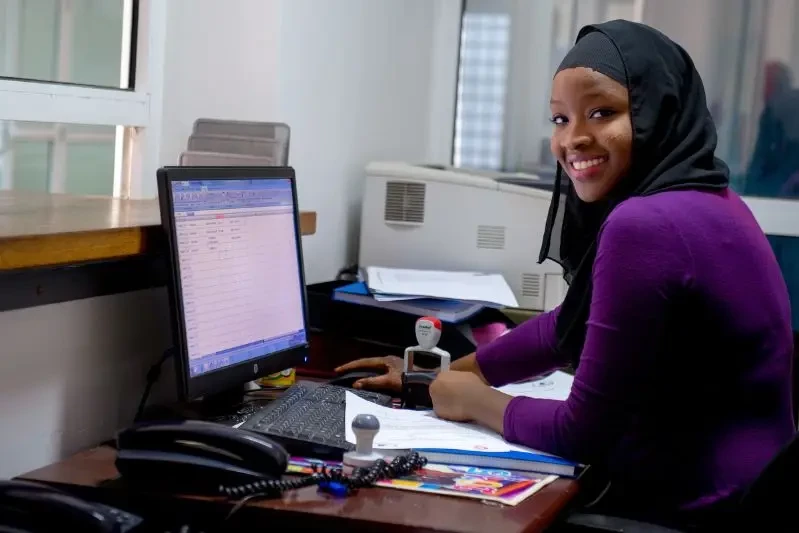
Since 2012, IFC’s Banking on Women program has invested over $10 billion through 307 financial institutions in 83 countries, directing capital toward women and women-led businesses.
These efforts aim to create more opportunities, bring in private investment, and support inclusive growth. By focusing on finance, markets, skills, and jobs, IFC helps turn women’s economic participation into stronger businesses, faster growth, and more stable economies.
This International Women's Day, IFC reaffirms its commitment to women's economic empowerment. Sustainable prosperity depends on women participating fully and equally in the economy.


Featured Stories
Published March 2026