

Jobs are central to IFC’s education strategy because they drive economic growth and create opportunities. Quality jobs boost productivity, reduce poverty, promote inclusion, and support innovation. IFC helps institutions align learning with labor market demands, ensuring students develop employability skills needed for success in the global job market.
IFC’s employability research highlights a major gap between graduates and employers. While 57% of graduates struggle to find full-time jobs in their specialty, 75% of employers report difficulty finding candidates with the key skills they need. This gap is critical to address, especially as higher education demand is expected to double to over 470 million students by 2035, with most growth in emerging markets. Upskilling students to meet labor market needs is essential for bridging this divide.
A recent World Bank Group analysis underscores that tertiary education significantly boosts individual earnings compared to primary (10%) and secondary education (7%). In Sub-Saharan Africa, the impact is even greater, with higher education graduates seeing a 21% increase in earnings. These numbers highlight the importance of upskilling through higher education to foster economic growth and personal success in the job market.
IFC supports the growth of public tertiary institutions by leveraging private sector expertise to help governments raise capital and foster development. This approach enables public institutions to enhance their offerings and expand their impact. IFC also invests in private higher education institutions in low- and middle-income countries to broaden access to quality education and drive innovations that help students develop key skills. By equipping students with employability skills, IFC helps prepare them for success in the global job market.
Unlocking Opportunities for Women Through Education
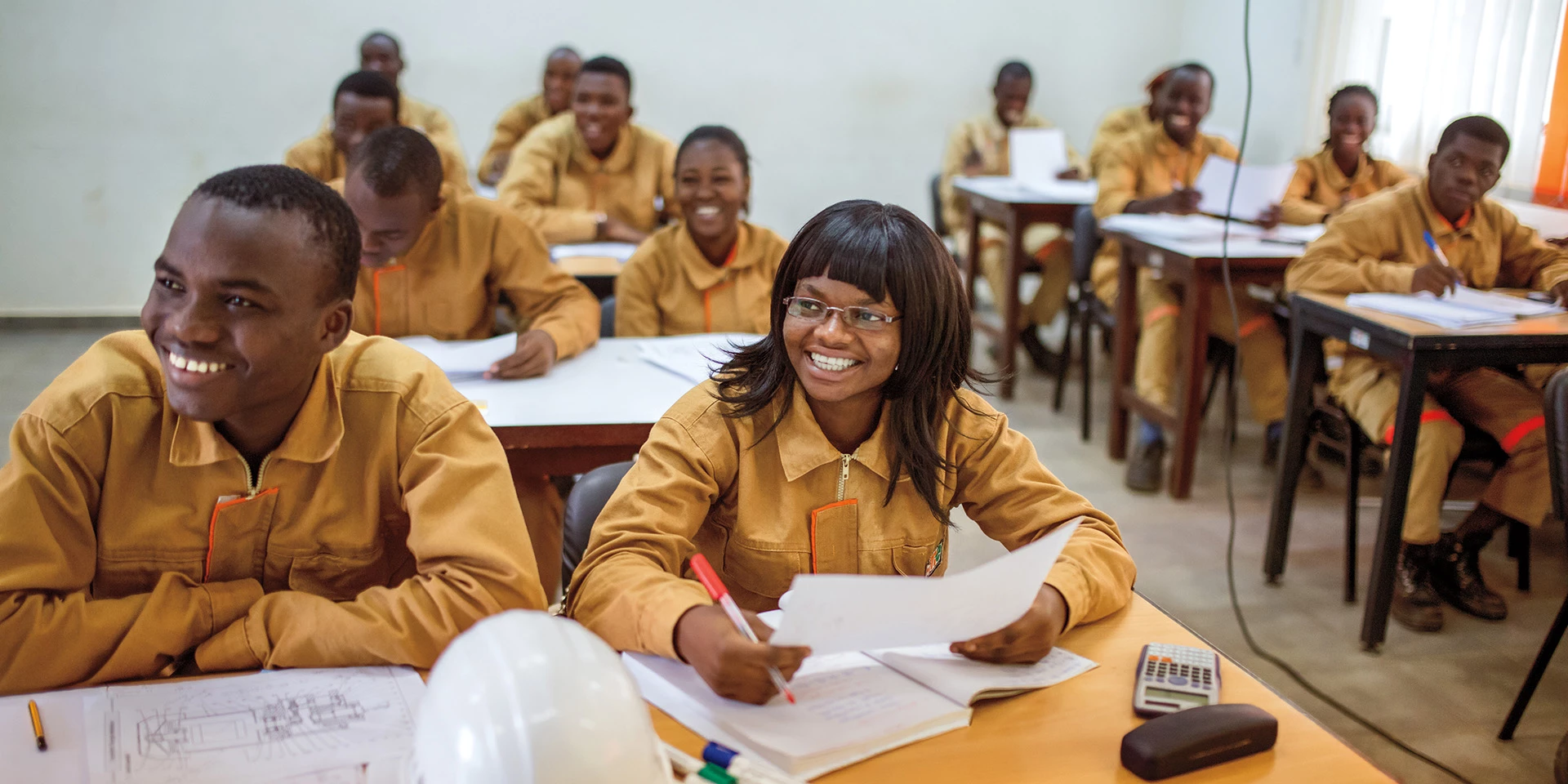
Expanding education access for young women in emerging markets can lead to significant business and development outcomes. IFC focuses on programs that help women upskill through trade schools and universities. These initiatives equip women with employability skills, enabling them to build meaningful careers, succeed in the job market, and lead more successful lives.
IFC's Equality in Education and Employment (E3) global peer-learning platform promotes collaboration among industry partners and collects impact data. E3 engages stakeholders in education to explore trends, best practices, and ways to reduce employment disparities for women, diverse groups, and persons with disabilities.
Related Event

Insights & Reports
Stories of Impact
Press Releases
Contacts
Updated August 2025