

Bilateral Climate Facility

The Canada-IFC Blended Climate Finance Program

In 2015, the Government of Canada announced it would contribute a historic CA$2.65 billion over five years to help developing countries tackle climate change, with a focus on adaptation and resilience efforts for the world’s most poor and vulnerable countries.

The Canada-IFC Blended Climate Finance Program (the successor of the Canada Climate Change Program) is part of a partnership between the Government of Canada and IFC to mobilize private capital for global climate action.

Priority Areas

Started in 2018, the US$194 million Program provides concessional co-financing alongside IFC to initiatives that: a) increase private sector financing and engagement across a broad cross-section of climate mitigation and adaptation activities, and b) seek to promote market transformation activities that can move markets towards low-emissions and climate-resilient pathways.  As of September 2025, the program invested in 17 projects which are expected to reduce 1 million tCO2e of GHG emissions annually and create around 3,000 jobs.

The WBG-Canada partnership is generating results that improve lives in low- and middle-income countries around the world. Canada is one of IFC’s largest development partners, supporting IFC’s investments and advisory services in all regions and across many sectors, with a focus on climate mitigation, adaptation and resilience, agribusiness, and women entrepreneurship.

Featured Projects
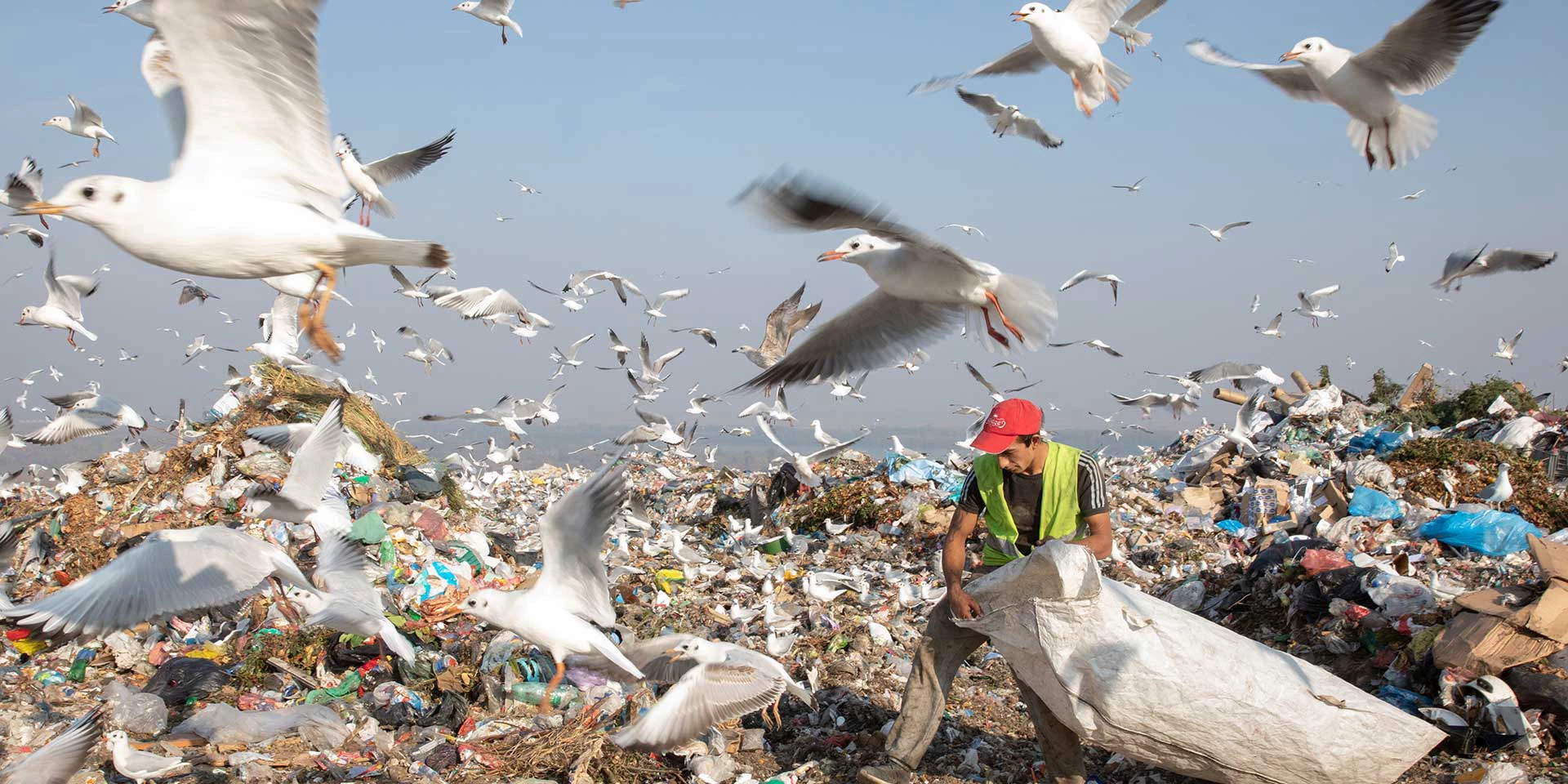
Waste-to-Energy Project in Serbia

Funded under the BCFP, the Waste-to-Energy Project in Serbia was developed through Advisory support and BF investment of EUR 20 million concessional senior loan as part of the EUR 260 million financing package. The project involves the closure and remediation of the saturated landfill in a suburb of Belgrade, and the construction of a new EU-compliant sanitary landfill, as well as a waste-to-energy facility and a facility for processing construction and demolition waste. The project will enable the use of municipal waste and landfill gas to generate renewable heat and electricity.

IFC invested in Ulaanbaatar’s first-ever municipal bond issued to a foreign investor, enabling the launch of a pioneering 50-megawatt Battery Energy Storage System in the Baganuur District. This milestone transaction strengthens the city’s energy resilience, supports the integration of renewable sources such as wind and solar, and unlocks new opportunities for private sector participation in infrastructure development. By mobilizing innovative financing for climate-smart solutions, IFC and the Municipality of Ulaanbaatar are demonstrating how public-private partnerships can accelerate the country’s energy transition while meeting the needs of its growing urban population.

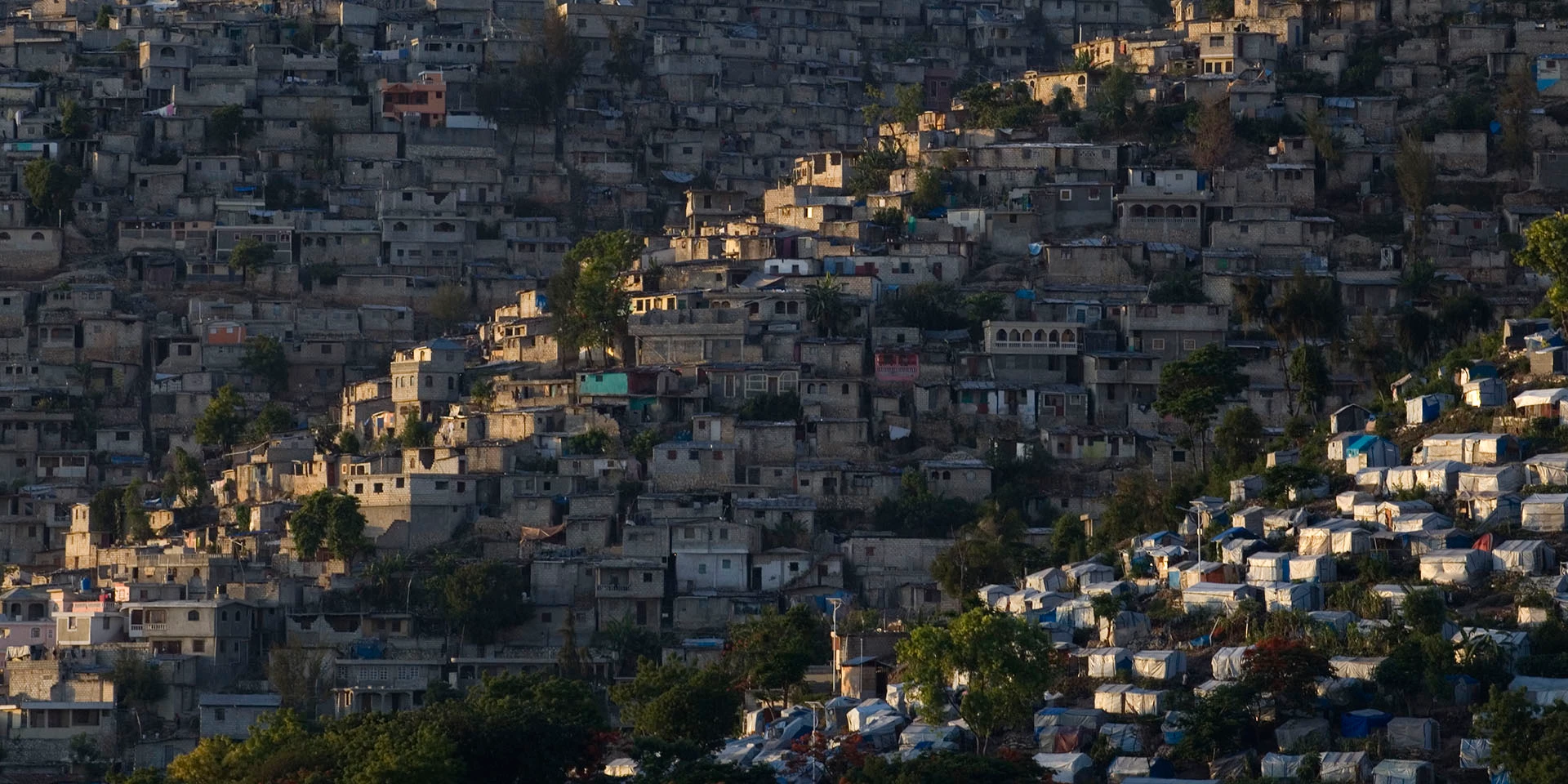
Solar Energy Solutions in Haiti

IFC and IDB Invest are partnering to strengthen Haiti’s energy security and recovery, committing US$13.5 million to support leading local provider Solengy Haiti S.A. The investment will finance 10 MWp of solar PV and 20 MWh of battery storage, delivering reliable electricity to households, schools, hospitals, and businesses. In a country where only 47% of people have access to power, the project will help reduce reliance on costly fuel-based generation, cut operational expenses, and improve economic competitiveness.

Support from blended climate finance programs ensures resources are deployed effectively despite ongoing challenges, while promoting distributed generation as a driver of resilience. By backing a Haitian SME at the forefront of clean energy innovation, IFC and IDB Invest are demonstrating the role of private sector solutions in shaping a sustainable future for Haiti. 

Contacts

Aleksandra Liaplina
Program Lead
Washington D.C.
Erik Churchill
Communcations Lead, IFC Economics, Partnerships, and Blended Finance
Washington D.C.
+1 (202) 717-7740

Last updated: April 2026