
This collection of Industry-Sector Environmental, Health, and Safety (EHS) Guidelines includes sub-sectors in agribusiness and food production, offering guidance on managing related environmental, occupational, and community health and safety risks. Technical guidance is available for plantation crop production, livestock and animal protein, aqua-farms, food and bio-fuel processing, food distribution and retailers, and agri-commodity traders.
Download

The EHS Guidelines for Annual Crop Production include information relevant to large-scale production, harvesting, post-harvesting processing, and storage of major annual crops in both temperate and tropical regions, including cereals, pulses, roots and tubers, oil-bearing crops, fiber crops, vegetables, and fodder crops.
Download: English | Français | Español | русский | 简体中文 | عربي

The EHS Guidelines for Aquaculture provide information relevant to semi-intensive and intensive/super-intensive, commercial aquaculture production of the main aquatic species – including crustaceans, mollusks, seaweeds and finfish – located in developing countries in temperate and tropical regions.
Download: English | Français | Español | русский | 简体中文 | عربي



The EHS Guidelines for Fish Processing address information relevant to fish processing facilities, including the post-harvest processing of fish, crustaceans, gastropods, cephalopods, and bivalves, originating from sea or freshwater catch or from farming operations in fresh or salt water.
Translations: English | Français | Español | русский | 简体中文 | عربي


The EHS Guidelines for Mammalian Livestock Production include information relevant to cattle ranching and farming, dairy farming, and hog and pig farming. Sheep and goat farming operations are similar to the operations included in this document, and the recommendations presented here are also generally applicable.
Translations: English | Français | Español | русский | 简体中文 | عربي

The EHS Guidelines for Meat Processing include information relevant to meat processing, focusing on bovine and porcine slaughtering and processing from reception of the animals until the carcasses are ready for sale or further processing. This document pertains to facilities that provide simple processing of the by-products of meat slaughtering.
Translations: English | Français | Español | русский | 简体中文 | عربي

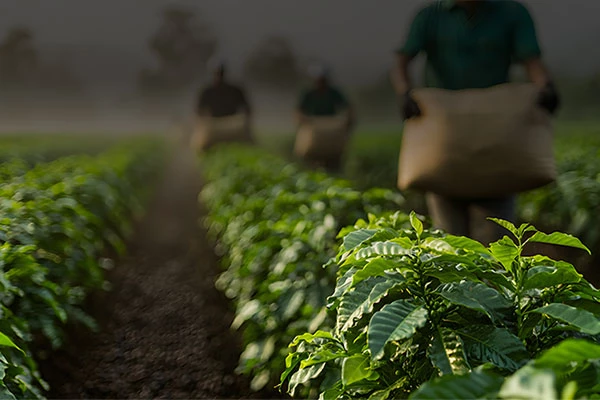
The EHS Guidelines for Perennial Crop Production cover large-scale plantation crops and outgrower systems focused on the production and harvesting of major multi-year food, fiber, energy, ornamental, and pharmaceutical crops, in temperate and tropical regions. It includes tree crops (such as olives, citrus, coffee, rubber, eucalypts, and cacao) as well as banana, sugarcane, and palm oil.
Translations: English | Français | Español | русский | 简体中文 | عربي

The EHS Guidelines for Poultry Processing include information relevant to processing of chickens but can be applied to other similar types of poultry processing, such as turkey and ducks. These Guidelines cover process steps from the reception of live birds, slaughter, evisceration, and simple rendering.
Translations: English | Français | Español | русский | 简体中文 | عربي



The EHS Guidelines for Vegetable Oil Production and Processing are applicable to facilities that extract and process oils and fats from a variety of seeds, grains, and nuts; these include canola, castor, cottonseed, mustard, olive, palm, palm-kernel, peanut (groundnut), rapeseed, safflower, sesame, soybean, and sunflower. Additionally covered are crude oil production and refining processes, from the preparation of raw materials to the bottling and packaging of final products for human or animal consumption.
Translations: English | Español | Français | русский | 简体中文 | عربي
Translation Disclaimer
The Environmental, Health, and Safety (EHS) Guidelines have been translated into other languages for your convenience. Reasonable efforts have been made to provide an accurate translation. The official text is the English version of the Guidelines. Any discrepancies or differences created in the translation are not binding and have no legal effect for compliance. If any questions arise related to the accuracy of the information contained in the translated Guidelines, please refer to the English version.