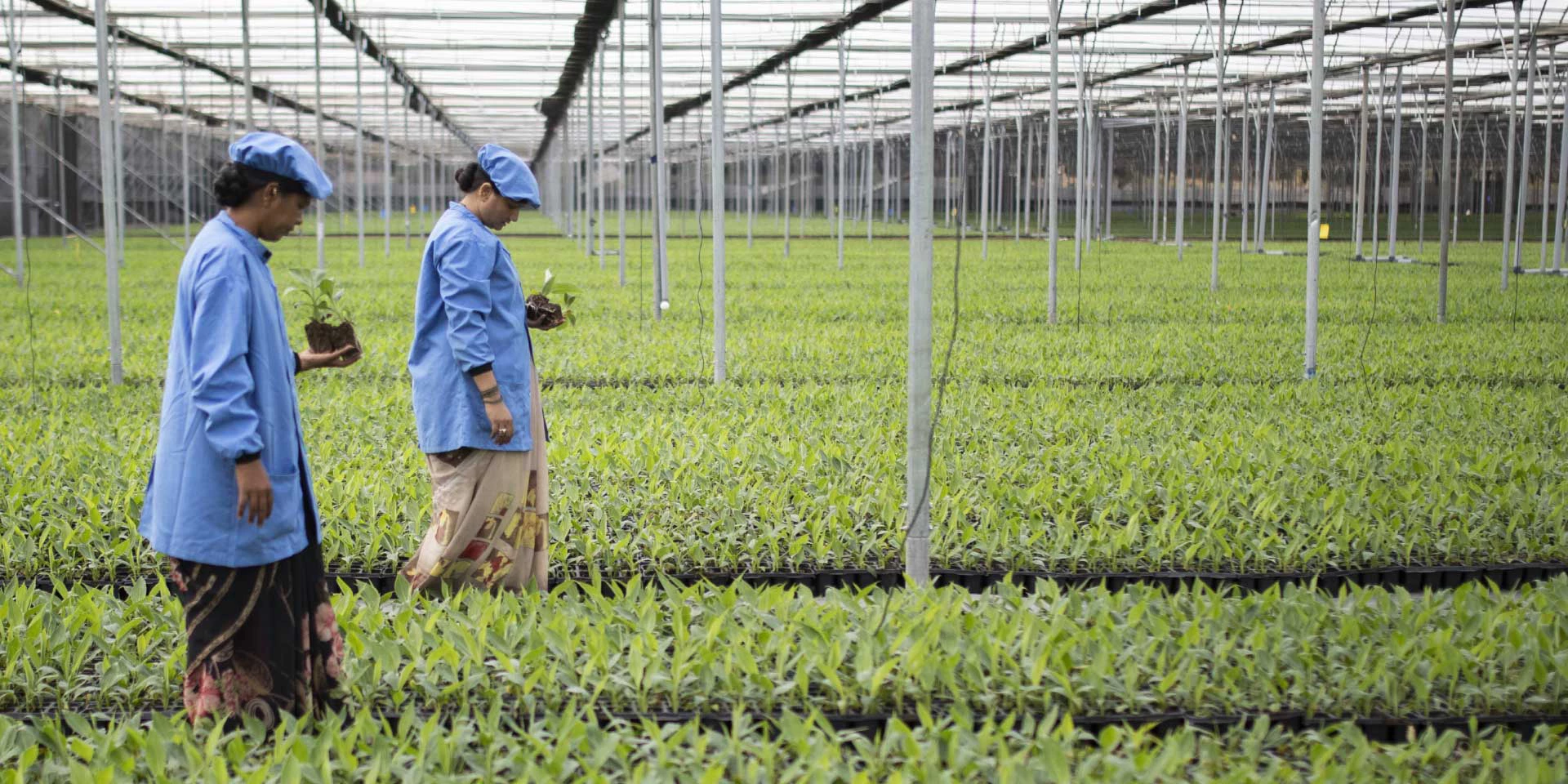
Several emerging markets are experiencing rising demand for short- and medium-term cross-border financing of equipment, goods and commodities needed for the deployment of new energy technologies, energy efficiency upgrades, and climate smart agriculture, among other areas. In this context, trade finance has an important role to play in meeting importers and exporters’ needs.
IFC introduced the concept of Sustainable Trade in 2010 as an incentive for participating banks in its Global Trade Finance Program (GTFP) to facilitate cross-border trade of equipment and raw materials in areas with climate benefits, including renewable energy, energy efficiency, smart agriculture, sustainable transport, and green buildings. Since the inception, IFC has not only supported more than $7 billion in sustainable trade deals through GTFP, but and has also expanded its support to meet this growing client demand via other trade programs – Global Trade Liquidity Program (GTLP), Global Warehouse Finance Program (GWFP) and Global Supply Chain Finance Program (GSCF).
IFC has also partnered with the Asian Development Bank (ADB) to align definitions and eligibility criteria of sustainable trade as standardizing approaches will benefit our clients and other stakeholders. For examples of categories of sustainable trade-related goods, equipment, and commodities that could qualify for financing from IFC and/or ADB, please download the Reference Note for Sustainable Trade Finance.