
A Honduran bank, with support from the World Bank Group, is partnering with farmers to turn financing into resilient livelihoods.
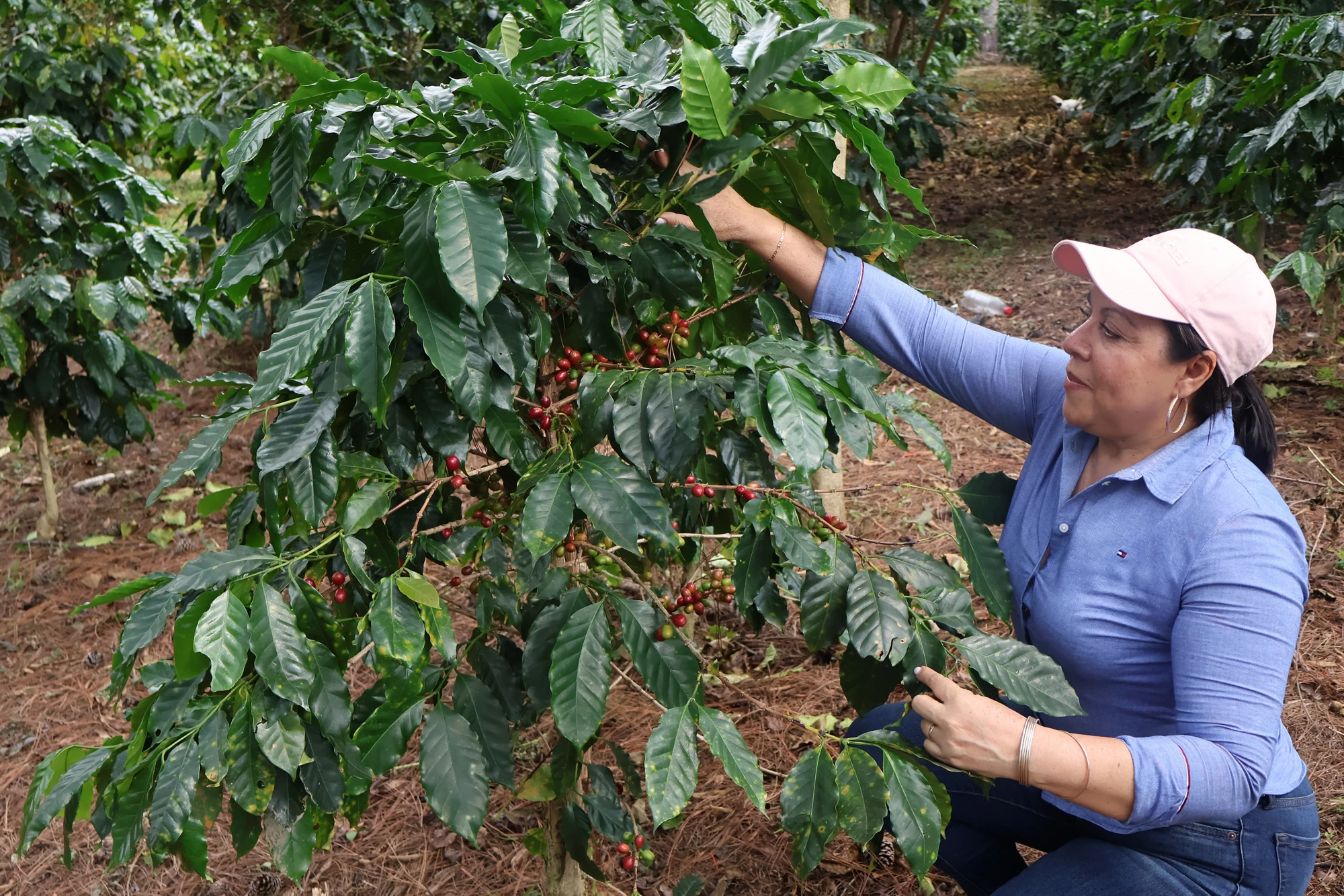 BANHCAFE has supported Honduras’s productive sector since 1981. Photo: BANHCAFE
In Honduras, where nearly 80 percent of the rural workforce operates in the informal economy, access to finance is a pathway to formal employment and stability. That’s why financial institutions like BANHCAFE are critical to raising incomes for smallholder farmers. Support for the productive sector, particularly agriculture, is central to the bank’s business model, with financial solutions tailored to each crop, territory, and production cycle.
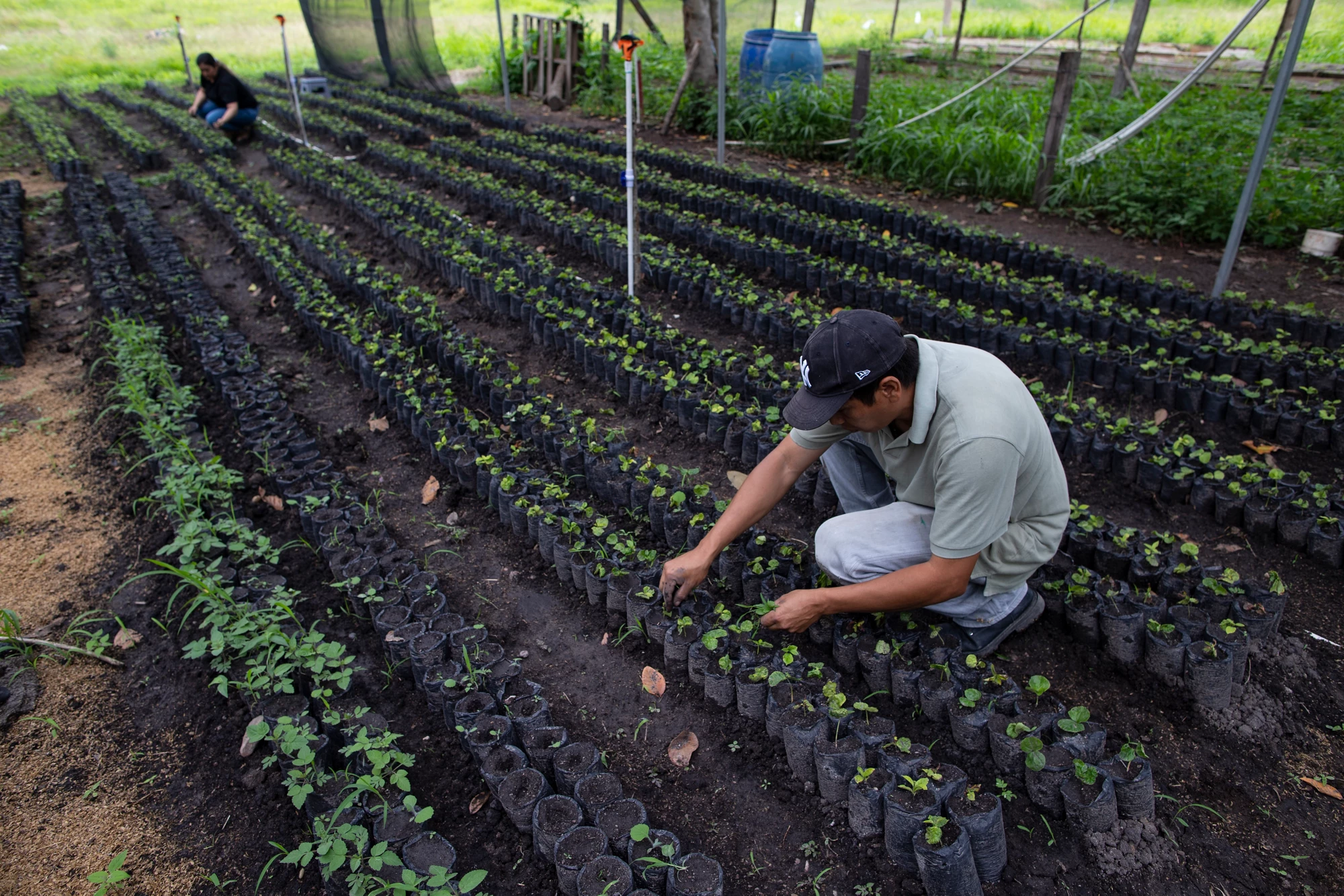 Two farmers tend to seedlings at an agricultural nursery in the department of Choluteca, in Southern Honduras. Photo: Leonel Estrada / The World Bank Group
BANHCAFE’s approach goes beyond lending. By understanding farmers’ realities, it positions itself as a long-term partner, helping them become more competitive, access new markets, and strengthen their livelihoods. Financing is not an end in itself, but a means to boost productivity, generate formal employment, and improve living conditions for rural families.
What Drives BANHCAFE's Approach to Rural Agricultural Finance?
A key part of this strategy is fostering entrepreneurship in the countryside. “We support producers so they are not only farmers, but also entrepreneurs,” says César Zavala López, General Manager of BANHCAFE. The goal is to help small-scale farmers move beyond primary production into processing and other forms of value addition—selling in more organized, higher-value markets, with greater bargaining power—and in doing so, generate the kinds of stable, formal jobs that keep families and communities rooted in rural Honduras.
This vision is reflected in BANHCAFE’s participation in ComRural II, a Government of Honduras initiative supported by the World Bank Group to strengthen agricultural competitiveness and formal job creation in rural areas. The project has supported 19 business plans nationwide, benefiting more than 10,000 people, many of them women moving from informal subsistence into structured, wage-earning employment for the first time.
In addition to financing, ComRural II provides technical assistance, infrastructure, technology, and training, while mobilizing more than US$14 million in private capital through partnerships with Private Financial Allies such as BANHCAFE.
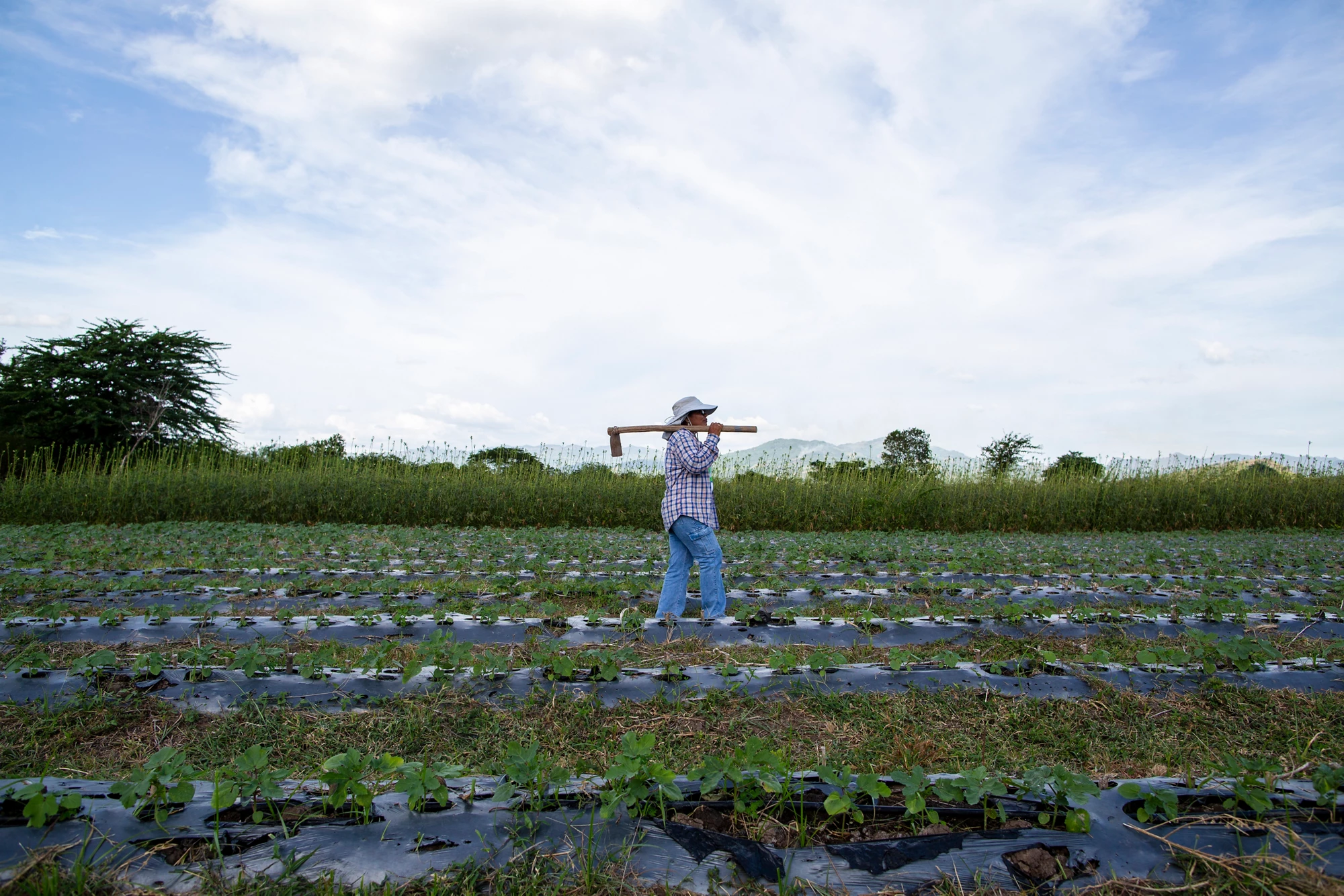 BANHCAFE is one of the Private Financial Allies within the ComRural II project, supported by the World Bank Group, which boosts agricultural competitiveness and rural employment in Honduras through technical assistance and private investment mobilization. Photo: Leonel Estrada / The World Bank Group
How Are IFC Advisory Support and AgriConnect Expanding BANHCAFE's Agribusiness Reach?
These efforts align with AgriConnect, the World Bank Group’s global initiative to promote small-scale agriculture as a driver of jobs, economic growth, and food security. They are reinforced by IFC advisory support, which since 2025 has helped BANHCAFE scale up its agribusiness operations. By integrating digital tools and environmental risk analysis, the support has enabled the bank to develop new products and strengthen its value proposition, enhancing both productivity and resilience among its clients, and expanding the bank’s capacity to reach more rural workers with the financing they need to formalize and grow.
Why Does Agricultural Finance Matter for Honduras's Future?
In Honduras, financing the productive sector is critical. “It is a source of food, it creates jobs, and it helps prevent migration by offering people opportunities in their own communities,” says Fredy Moreno Segura, BANHCAFE’s Credit Manager.
For Reyna Meza, Risk Management Manager of BANHCAFE, the impact is clear: “By supporting agriculture with innovative financial solutions, we can create more jobs, and contribute to a better Honduras for everyone.”
Behind every well-structured loan is a producer choosing the next crop, a farm formalizing its workforce, and a family deciding to stay. For BANHCAFE, success is measured in stronger value chains, better-prepared farmers, and rural communities with more jobs, demonstrating how finance, when rooted in the realities of rural life, can be a catalyst for the kind of inclusive growth that keeps people employed, invested, and home.
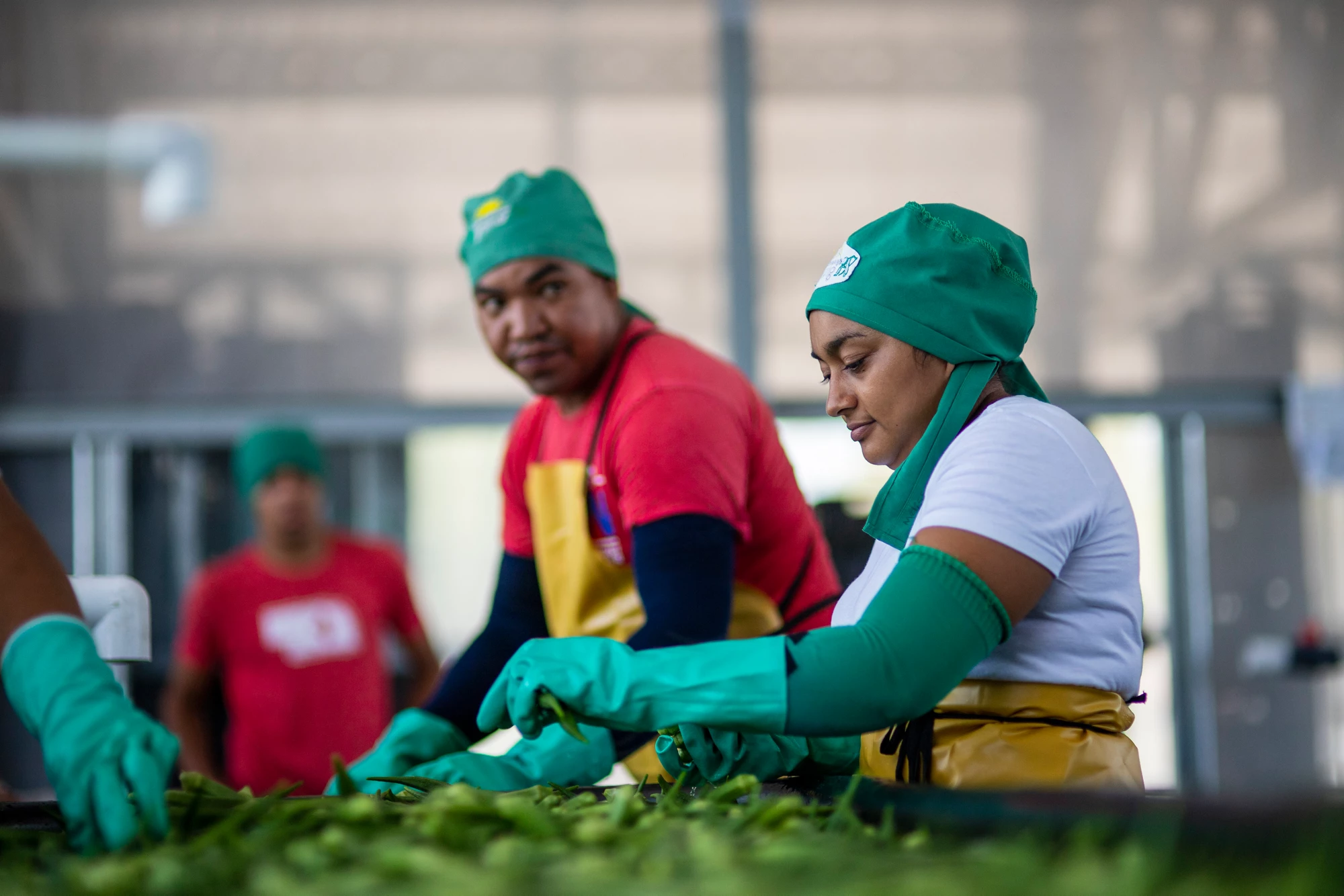 In Honduras, where nearly 80% of the workforce survives in the informal economy, agriculture can be a source of sustainable growth and formal jobs, which strengthens rural livelihoods and ultimately drive local economies. Photo: Leonel Estrada / The World Bank Group