
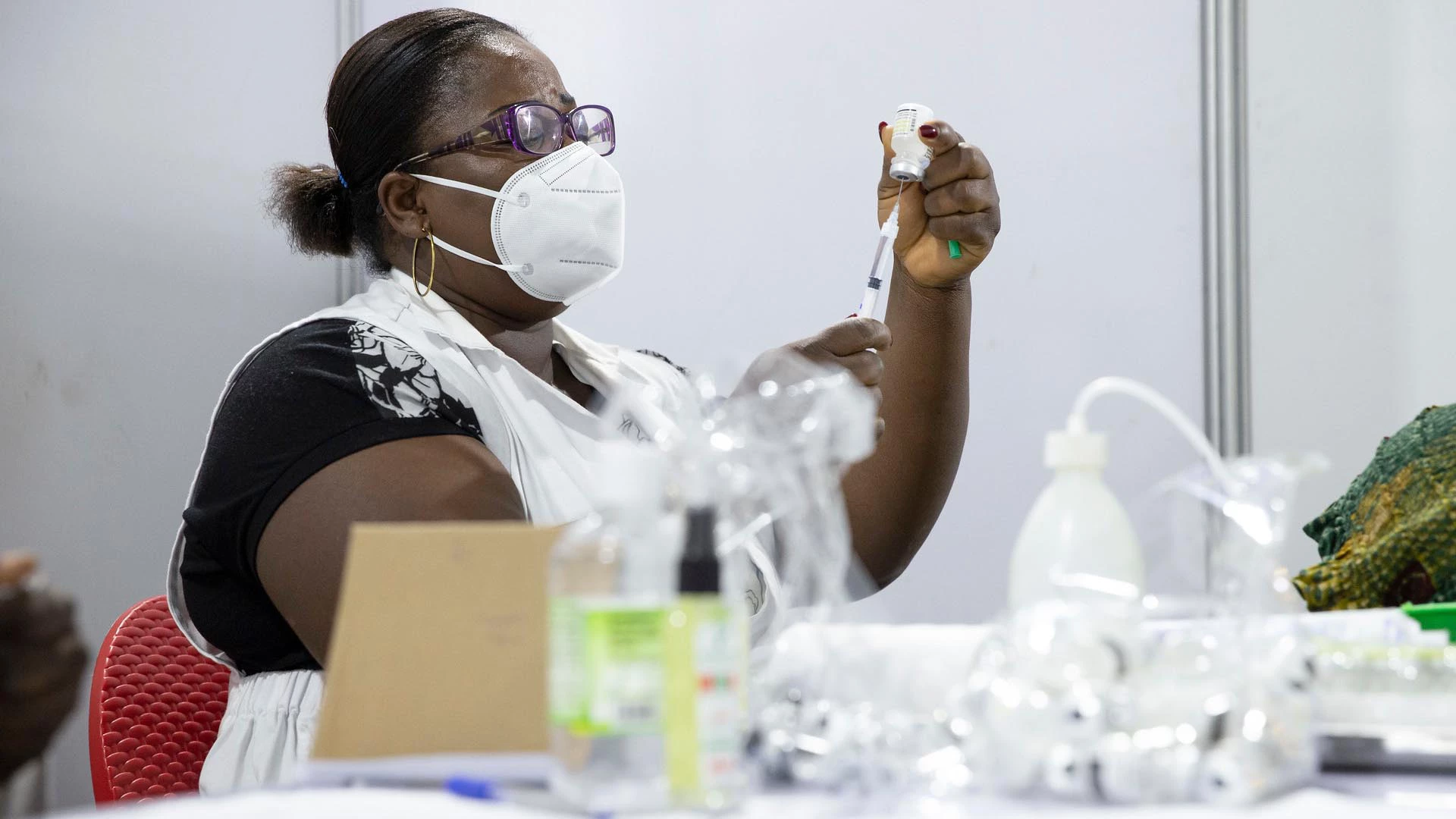
 Healthcare worker prepares COVID-19 vaccination for patient. Photo: Erick Kaglan / World Bank
African governments are prioritizing health security, targeting ambitious production goals for medicines and vaccines. Partnerships, collaborations, and innovative investment strategies to create healthcare ecosystems are accelerating progress.
-
$50 BPotential size of Africa's pharmaceuticals market by 2030
-
$11 BNeeded by 2030 to fund Africa's local pharmaceutical industry
“The second independence of Africa.” That’s how Dr. Jean Kaseya, Director General of the Africa Centers for Disease Control (CDC), has described the African Union’s call to promote local manufacturing of pharmaceuticals and healthcare products. Since nearly half of Africa’s 1.5 billion people lack regular access to essential medicines, building a robust, home-grown pharmaceutical industry can “ensure the health security of all Africans,” he believes. “It’s a must.”
That’s a view shared by many after the COVID-19 pandemic revealed life-threatening gaps in the availability of essential medical products. In some regions like Sub-Saharan Africa, countries import 70% and more of all pharmaceuticals consumed, and local vaccine production capacity meets less than 1 percent of the local demand. During the worst waves of COVID-19, disruptions in medical supply chains left Africans scrambling—usually in vain—for drugs, oxygen, and health care supplies.
This exposed the necessity for investment in local pharmaceutical production, according to the United Nations Conference on Trade and Development (UNCTAD). “Expanding local production can improve availability, affordability, safety and the stability of supply, especially for critical products like vaccines and antibiotics,” UNCTAD research shows.
To achieve health security for Africa, African leaders are targeting ambitious production goals for vaccines, therapeutics, and other medical products by 2040. The African Union’s framework for action, the New Public Health Order, explicitly calls for governments, multilateral organizations, philanthropies, private sector, and civil society organizations to support increased investment to support local manufacturing.
The African Development Bank believes that private sector investment and partnerships can help respond to this call. A recent report notes that “All relevant public and private players” will be necessary to fund the growth of Africa’s local pharmaceutical industries, which will require an estimated $11 billion by 2030.
Given the large investment needs and technology and knowledge requirements to achieve this ambition, industry analysts agree that ramping up private sector involvement is key to strengthening Africa’s commercial medicine market, and that growth will be rapid.
“African governments are laying the groundwork with industrial zones, special economic zones, harmonized regulation, and investment incentives, and inviting private capital from all over the world,” says Frannie Lautier, CEO and Senior Partner at SouthBridge, a pan-African advisory and investment company. “The result is scalable, job creating ecosystems capable of consistently delivering affordable, high-quality medicines — and exporting them across the continent.”
For Abdu Mukhtar, National Coordinator of the Nigerian government’s Presidential Initiative for Unlocking the Pharmaceutical Value Chain, the necessity of private sector investment is clear. “There are things government can do, and there are other times when the private sector is necessary,” he says. “If you really want to bring about growth, the private sector can do it.”
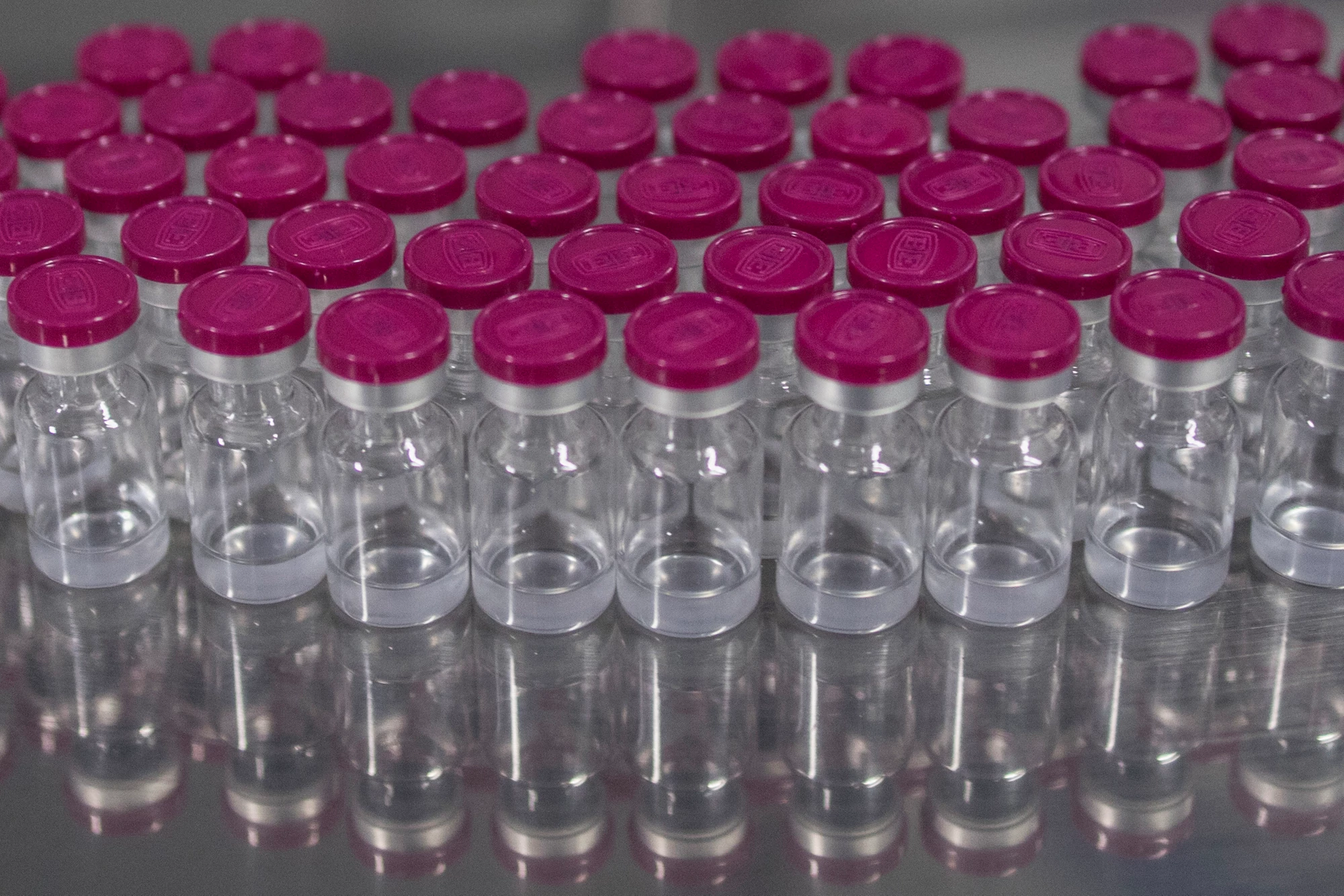 Vaccine vials during the production process. Photo: IFC/Anindito Mukherjee
Prioritizing access
IFC and the World Bank Group have long supported private sector initiatives that increase access to high-quality medicines and vaccines across Africa. Partnerships with the private sector are part of the World Bank Group’s strategy to help countries deliver healthcare to 1.5 billion people by 2030. "Investing in the local manufacturing of health supplies is critical for building strong health systems that can deliver quality care, and governments want to see this happen,” says Farid Fezoua, Global Director for Disruptive Technologies, Services and Funds. “By financing medical products manufacturing on the continent, we also are creating strong industries and local supply chains that will foster economic development and generate jobs.”
Private investment is already making a difference in Africa’s pharma manufacturing landscape. Partnerships and collaborations that have been in place for two decades—often at governments’ request—have laid the foundation to accelerate progress in a fast-growing market. The pharmaceuticals market in Africa is expected to reach a business opportunity of $50 billion in 2030—a jump from $20.8 billion in 2013 and from just $4.7 billion a decade earlier.
Calls for private investment in pharma are also gaining strength because of a new initiative from Gavi, the Vaccine Alliance. A G7 report notes that Gavi’s African Vaccine Manufacturing Accelerator, or AVMA, is a “crucial shaping moment” that incentivizes investors. Gavi and the World Bank Group are working together to support country-led solutions to expanding access to immunizations, including local vaccine manufacturing.
For Mukhtar and many others, growth of the domestic pharma manufacturing sector—especially the production of generics—promises to help narrow health disparities. Local pharmaceutical production enhances secure access to medicines by improving both the quantity and quality of supply, reducing reliance on imports, ensuring timely availability of essential health products, and driving local innovation, according to UNCTAD research. In addition, local access to medicine can mitigate the fast-expanding scourge of counterfeit and substandard drugs, a UN report says.
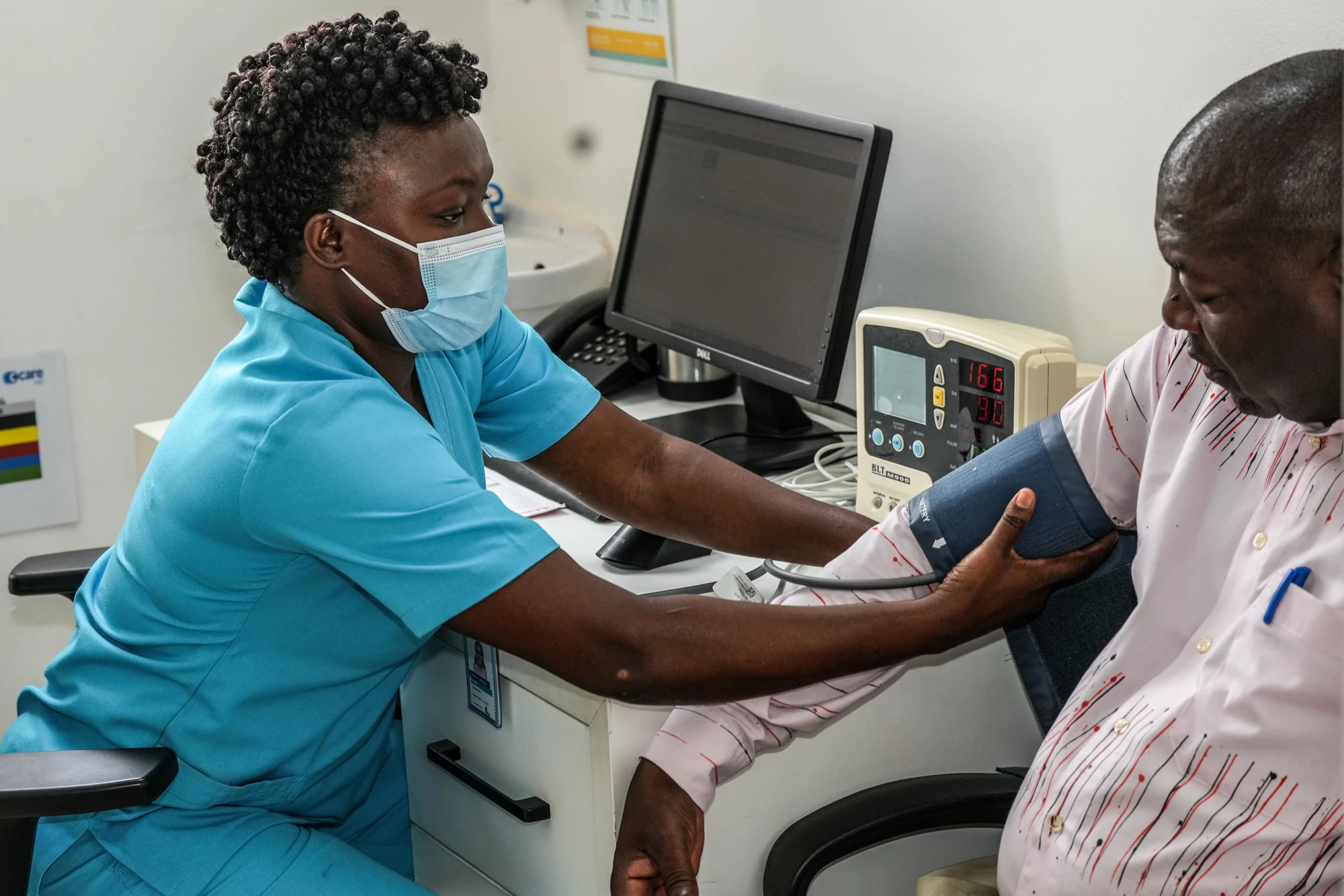 A nurse checks a patients blood pressure in a healthcare facility in Uganda. Photo: IFC
Senegal’s ambitious targets
Senegal’s public health officials feel a particular urgency in their pursuit of health security: in addition to meeting the African Union’s goals to ramp up vaccine manufacturing to meet 60 percent of the demand by 2040, Senegal has targeted producing 50 percent of its pharmaceutical products locally by 2035. Private-sector collaboration is key, according to Amadou Sall. Sall is the former Director General of Institut Pasteur de Dakar (IPD) and now Executive Director of Manufacturing and Supply Chain of CEPI, the Coalition for Epidemic Preparedness Innovations.
“Achieving a greater sense of vaccine security will require technology transfer, workforce training, and establishing a regulatory process. This is where the private sector, working together with the public sector, is critical,” Sall has said.
Financing from IFC, the International Development Finance Corporation, and the African Development Bank is supporting the construction of Senegal’s first multi-vaccine production facility, along with other stakeholders mobilizing public and philanthropic support for different aspects of the project. When fully operational, the facility will have the capacity to produce up to 300 million vaccine doses annually, supplying African markets with essential vaccines and increase its pandemic-ready capacities.
The creation of high-value jobs—an additional 14,000 Full-Time Equivalents—is critical for Senegal to reach its 2035 target. To help train workers for these jobs, IPD partnered with the Mastercard Foundation to launch the Madiba Workforce Development Initiative and a Regional Biomanufacturing Training Hub. It trains and places 300 to 800 individuals annually, with a particular focus on young people and women, fostering long-term sustainability throughout the region’s biomanufacturing industry.
A pharmaceutical manufacturing factory and distribution hub in Côte d’Ivoire, now under construction, will further strengthen West Africa’s manufacturing and distribution capabilities. Shanghai Fosun Pharmaceutical Group Co., Ltd. is building the facilities with IFC support, offering people in the region easier, more secure access to anti-malaria and other essential drugs. The pharmaceuticals factory will be Côte d'Ivoire's largest, with a capacity to produce 5 billion tablets annually. Once completed, the facility is expected to provide 1,000 direct and indirect job opportunities to this local area. The project aims to facilitate medical and manufacturing knowledge and technology transfer across Africa, supporting growth of the regional health sector.
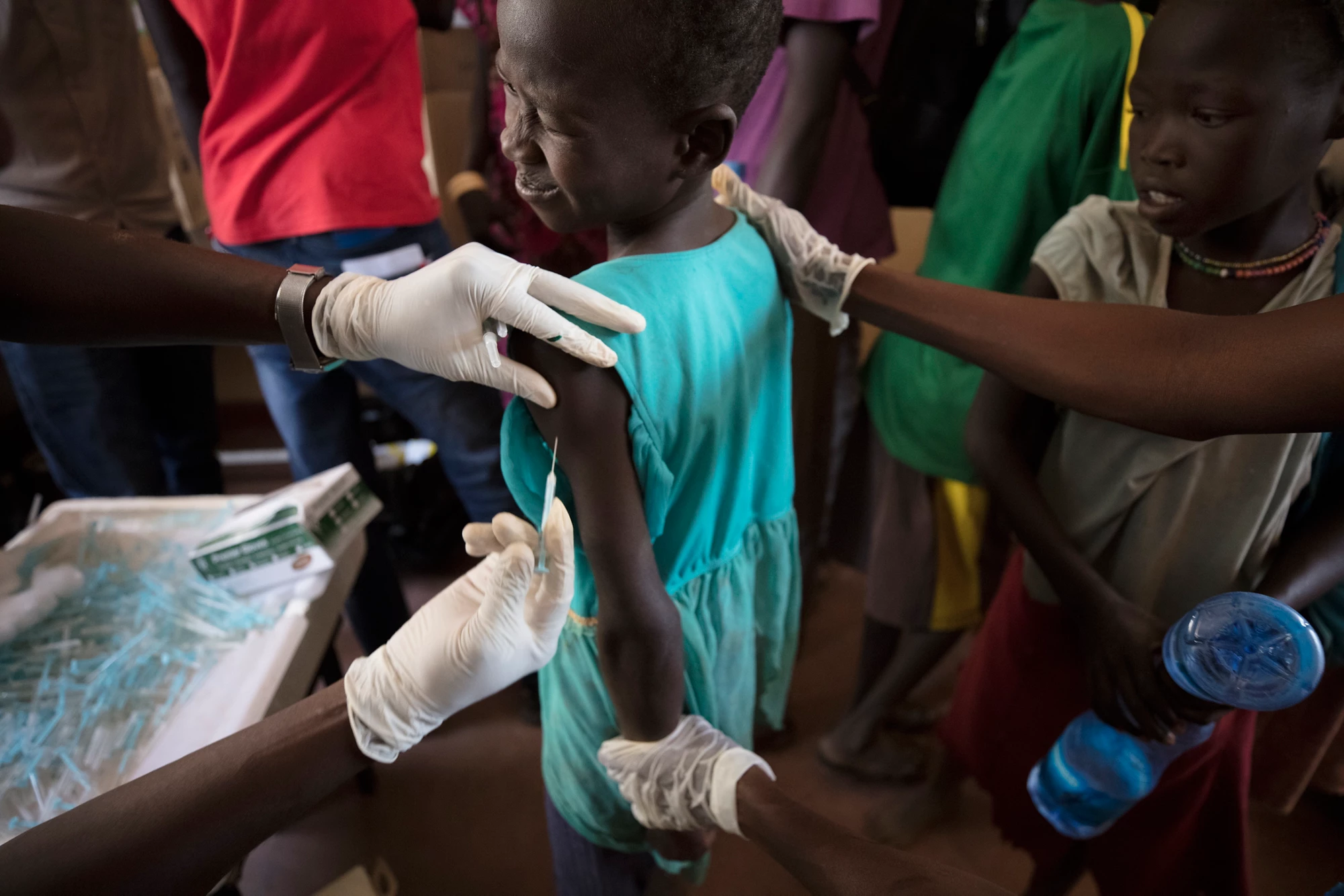 A child receives a vaccine. Photo: Dominic Chavez/IFC
Rwanda’s new partnerships
Rwanda is also pursuing a place in Africa’s pharma manufacturing ecosystem as the government constructs a home-grown industry with private sector support. IFC’s involvement initially focused on helping develop the broader ecosystem needed for a viable pharmaceutical sector, including support to the development of Rwanda’s regulatory agency. “[We are] establish[ing] the right partnerships to enable local manufacturing,” according to Yvan Butera, Rwanda’s Minister of State for Health.
The government’s collaboration with BioNTech, a German vaccine development and production company, paved the way for Africa’s first end-to-end mRNA facility, inaugurated in Rwanda in 2023. Martine Umuhoza, Deputy Director General of Rwanda’s Food and Drug Authority, is optimistic about how partnerships with private industry can create jobs while ensuring quality standards.
“We had to recruit more staff and we are investing a lot in staff training and enhancing our laboratory facilities to meet international standards,” Umuhoza says. “We also have a team dedicated to industrial support [to assist] pharmaceutical investors, and to create a favorable environment for growth while ensuring regulatory compliance.”
New pharmaceutical discoveries will be critical as Africans’ health concerns shift. African rates of noncommunicable diseases are expected to become the leading cause of mortality and morbidity by 2030. Chronic conditions like heart disease, cardiovascular disease, and diabetes especially point out the need for relevant, accessible treatments. IQVIA points out that Africa’s “profound change in epidemiological burden” underscores the potential for investments in local drug manufacturing and distribution, especially for generics.
World Bank studies show that Antimicrobial Resistance is another urgent concern in Africa. This “silent but serious global health emergency” occurs when bacteria, viruses, fungi, and parasites no longer respond to antimicrobial medicines, and it has already become a significant cause of mortality in Africa.
The World Bank’s Health Emergency Preparedness, Response, and Resilience (HEPRR) Program and its Health Security Program are responding by supporting the development of regional pharmaceutical and vaccine manufacturing and logistical capacities, with the goal of reducing Africa’s reliance on imports. In Rwanda, this includes planned investments in infrastructure such as the construction and equipping of a One Health Laboratory in Kigali, which will strengthen local capabilities for disease surveillance and response while contributing to the country’s broader pharmaceutical ecosystem.
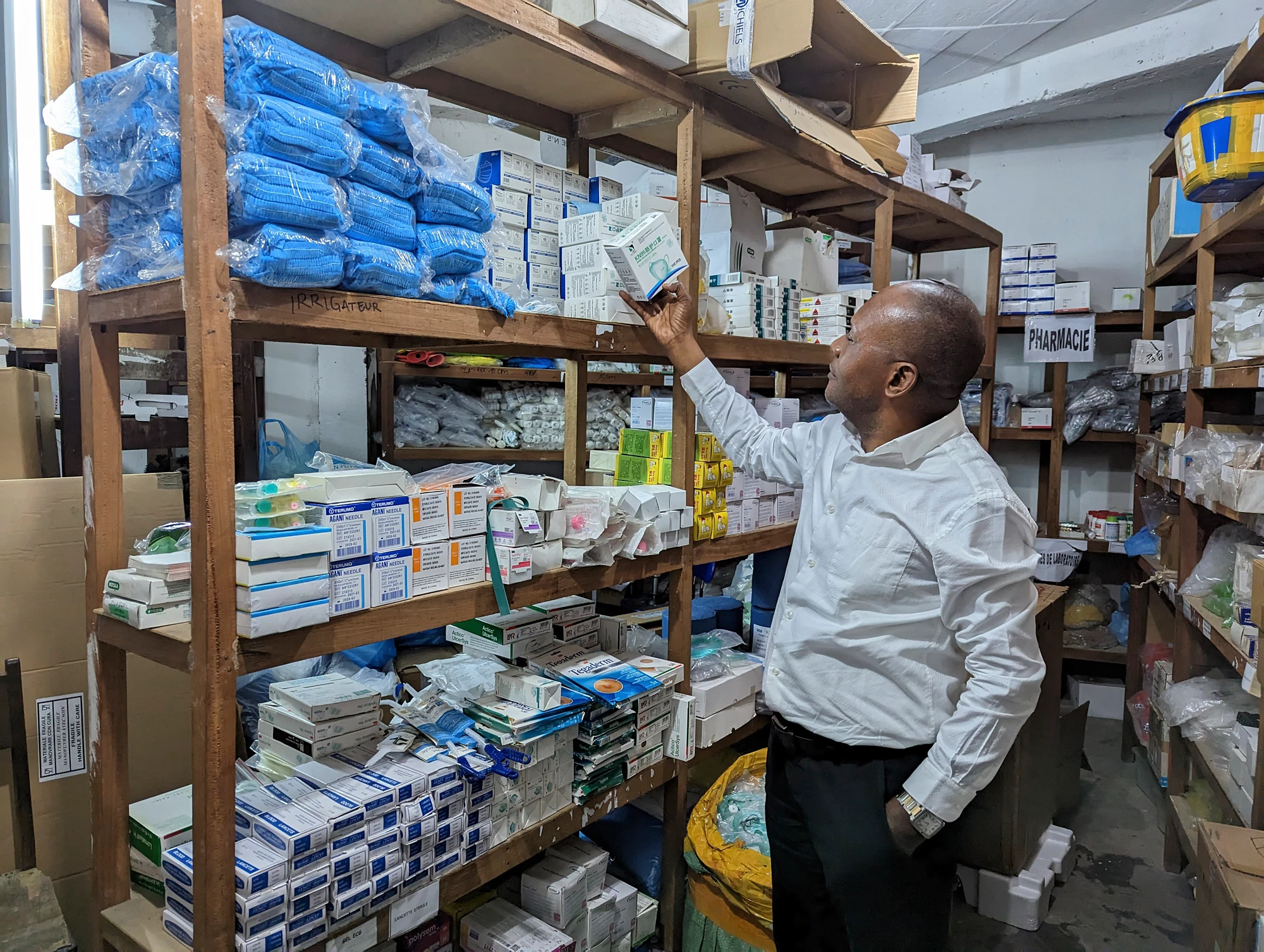 Gabriel Yala Manzefo inspects medicines in his pharmacy. Photo: IFC
Meeting demand in South Africa and Nigeria
Among the many benefits of local pharma manufacturing is that companies can respond to Africans’ changing health needs. At Aspen Pharmaceuticals, Africa’s largest pharmaceutical company, this is already underway. Aspen's "Manufacturing in Africa for Africa," initiative, supported by an IFC joint financing package, boosts the production and accessibility of critical medicines on the continent, including insulins.
South Africa-based Aspen is answering a pressing challenge as diabetes in Africa has reached epidemic proportions. Its prevalence in African adults has nearly doubled in just over three decades, and the number of Africans living with diabetes is expected to reach 47 million by 2045. Over half of current diabetes sufferers in Africa lack access to care, remaining undiagnosed or unable to access insulin.
Aspen’s partnership with Novo Nordisk has already boosted local production of insulin, and by 2026, Aspen will likely have the capacity to manufacture on Novo Nordisk’s behalf the volume of insulin required to meet the continent’s needs, if requested to. Aspen’s expanded commitment aligns with the African Union’s Pharmaceutical Manufacturing Plan for Africa and means more equitable access to lifesaving care to people with diabetes, the company has said.
In Nigeria, where the pharmaceutical industry is among the most developed of the continent, manufacturing of drugs for noncommunicable diseases is also a key focus area for investment. Currently, around 70 percent of medical products in the market are still imported. Nigeria wants to flip that script so that the country is producing 70 percent of the medical supplies it needs within five years.
That’s important because the demand for medicines is expected to increase as Nigeria adopts universal health insurance coverage for its 227.9 million people. Nigeria’s life sciences sector, currently valued at $46 billion, has the potential to more than double by 2030. The development of Nigeria’s health sector could generate almost $1.6 billion in new investment and create up to 44,000 jobs, IFC research shows.
The government has embarked on a holistic health sector reform program to move Nigeria toward universal health insurance coverage and is leveraging partnerships with the private sector. As part of these efforts and to attract new investment, the Nigerian government is enacting policy reforms to “break the dependence on imports,” according to Muhammad Ali Pate, Minister of Health and Social Welfare. While opening Jawa International's Beta Lactam Pharmaceutical Manufacturing Facility in Lagos, Pate noted that his presence indicated “government intervention to foster, to stimulate, to lower the cost of products that are manufactured here.”
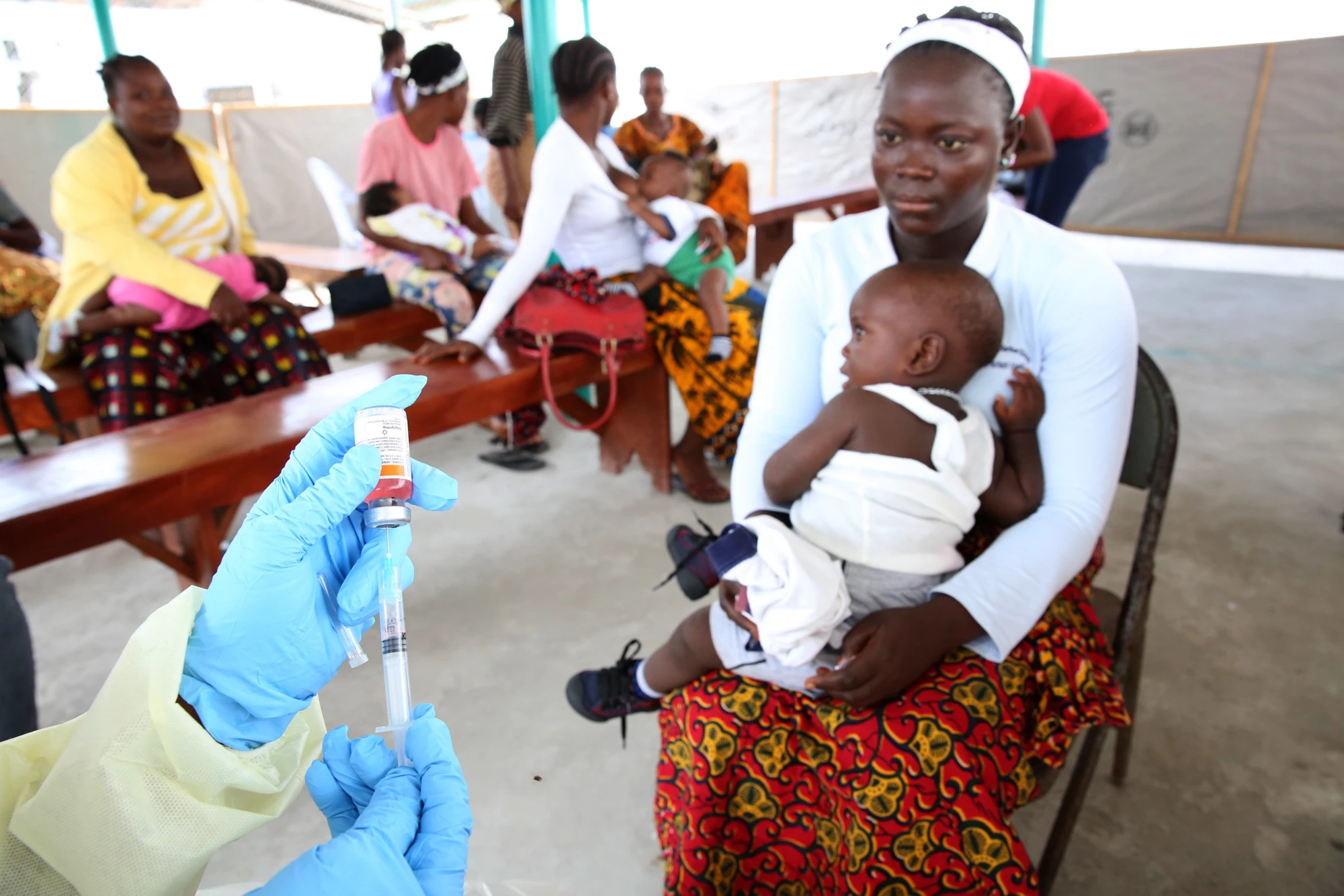 A nurse prepares to vaccinate children. Photo: Dominic Chavez/World Bank Group
Shaping effective policies
The African Continental Free Trade Area (AfCFTA), with an expected market of 2.2 billion people by 2050, promises to shape the nascent pharmaceuticals industry by spurring production at a scale that allows African manufacturers to compete with established companies in other regions. But there are complex, continent-wide issues around regulatory strengthening and harmonization, sustainable and well-capitalized procurement tools, and procurement, says Lautier, from SouthBridge.
Solutions to strengthen procurement are pressing because African markets are notoriously fragmented. Recognizing this, the African Union’s Pharmaceutical Manufacturing Plan for Africa leans toward pooled procurement to incentivize local manufacturing. In pooled procurement, multiple countries or organizations combine their purchasing power to procure medicines and other health supplies collectively. Offering such scale allows governments to negotiate prices and create distribution centers, both of which are critical to a successful pharma sector, says Mukhtar, from PVAC.
PVAC, a government effort to transform Nigeria’s health care ecosystem, works to attract private sector investment. One of its initiatives is Medipool, a 20-year public-private partnership established to overcome fragmented procurement and guarantee quality control of medication. “Medipool will change the game,” Mukhtar believes. “We’re looking to partner with other African entities, and I hope it’s a model for other countries in Africa.”
Nigeria’s initiatives hint at the far-reaching vision behind domestic pharma production. Although the challenges are significant, Mukhtar says the country is on its way. “We are doing the right things, and we are doing them consistently,” he says, noting that growth of the health sector has profound benefits for society. “It is about creating jobs, diversifying the economy, and safeguarding [our] future.”
Lautier also takes the long-term view. “This is not about aid—it’s about ambition,” she says. “Africa is open for investment, not just with strong political will, but with real policy and financial innovation on the table. And the private sector has a central role to play.”
Click here for a Q&A with Dr. Abdu Makhtar, PVAC National Coordinator