
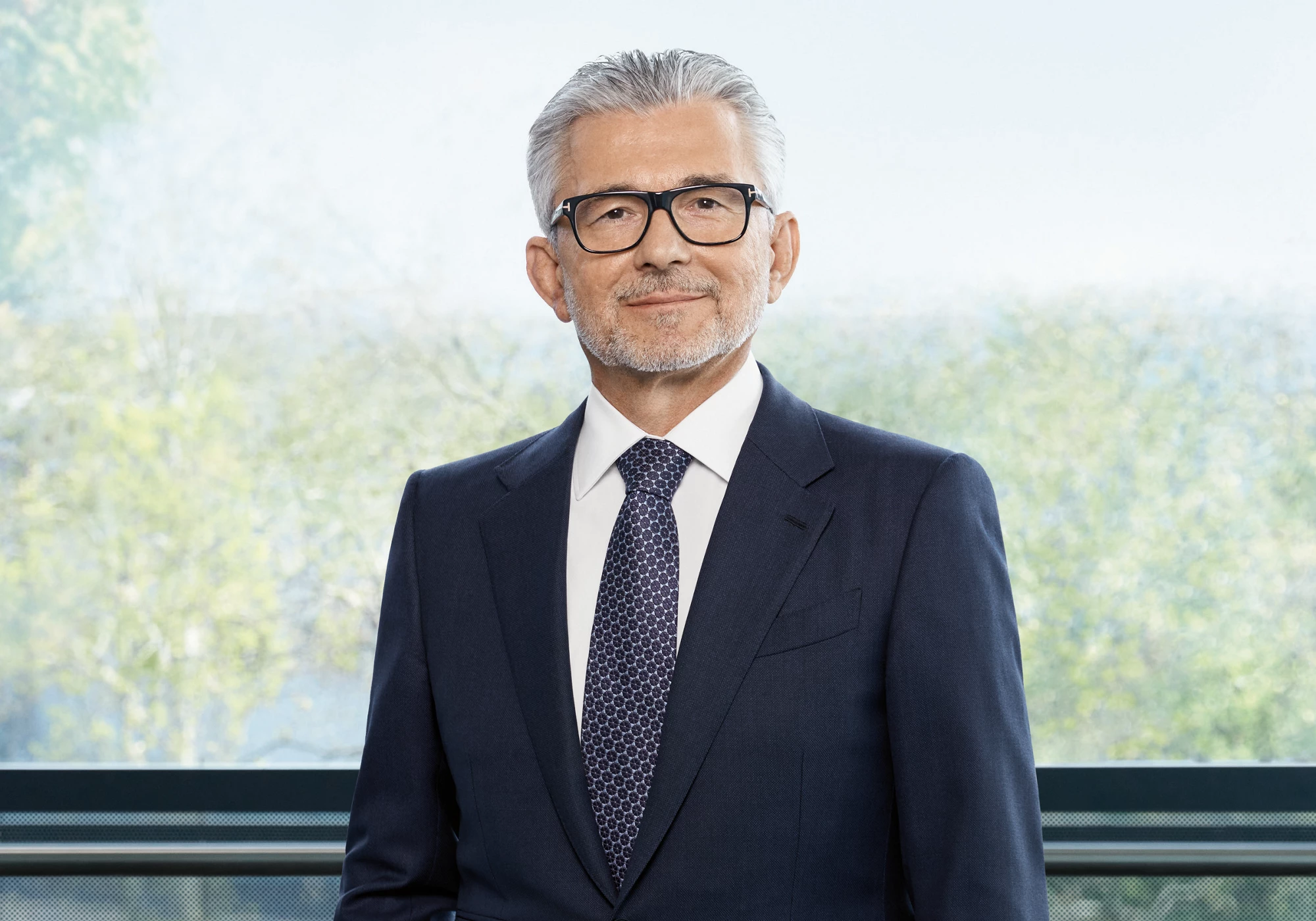
 voestalpine CEO Herbert Eibensteiner. Copyright: voestalpine AG, Source: voestalpine.com
Steel forms the backbone of modern industry and infrastructure, underpinning systems people depend on but rarely see. The steel industry is a foundation of critical sectors such as energy, transport, manufacturing, and construction. Supplying these industries with advanced materials and system solutions requires large-scale, energy-intensive production, making steel one of the most complex sectors to transform.
voestalpine, a globally leading steel and technology group headquartered in Austria, is positioning itself at the forefront of this shift. Its operations in emerging markets not only support local manufacturing and skilled employment but also strengthen the competitiveness of entire industrial value chains.
The 2024 inaugural green bond – anchored by IFC and the first in the European steel industry – sent a clear signal to investors and strengthened the company’s ability to mobilize capital for modernizing production and deploying advanced technologies across its global operations.
In this Q&A, CEO Herbert Eibensteiner shares how voestalpine is leveraging technology, its worldwide presence , and a highly skilled workforce to support industrial value chains, sustain high-quality jobs, and shape the future of steel production.
Most people don’t think about steel when they take a train, switch on an appliance, or use modern infrastructure. How would you explain voestalpine’s role in making these everyday systems work?
With our top-quality products and system solutions, voestalpine is a leading partner of the automotive and consumer goods industries, as well as of the aerospace and oil & natural gas industries. We are also the world market leader in rail systems and special sections. Although our products are often invisible in everyday life, they form the bedrock of modern society.
Our almost 50,000 employees worldwide work with great passion and expertise to shape our future as a global company and lead by example. We also want to be part of the solution when it comes to climate protection and have therefore set ourselves ambitious targets for reducing CO₂ emissions in the medium and long term.
voestalpine’s operations span five continents and link diverse industries. How does this global footprint help industries in the countries where you operate connect to international markets, advanced technologies, and new competitive opportunities?
At voestalpine, we have been driving our “local for local” strategy for years. We are expanding our production and value creation in the countries where our customers and markets are located. This not only brings advantages in terms of strengthening the competitive position locally, but also globally. Because local production allows us to respond to market needs with agility, strengthen resilience, and reduce transportation costs and delivery times, which in turn contributes to sustainability by reducing our environmental footprint.
voestalpine’s expertise in high-quality steel production is globally recognized. How can that know-how support industrial growth and modernization in Central and Eastern Europe?
voestalpine’s expertise in steel production and processing, combined with a strong focus on R&D and innovation, positions us to drive industrial modernization across our local facilities worldwide. We enable sustainable technologies, highly efficient production, and pioneering solutions such as hydrogen-based steelmaking, as mentioned earlier. This also helps regional industries enhance their competitiveness. However, sustainable industrial growth requires the right economic framework to ensure production in Europe under competitive conditions. Key factors include access to renewable energy at competitive prices supported by the necessary infrastructure, an extension of free allocation under the EU ETS, or the creation of a truly fair level playing field - particularly in trade with China and the United States. In this context, the further development of CBAM and the ETS will be crucial.
You invest heavily in R&D for advanced materials and manufacturing. Which innovations are you most excited about in terms of tangible impact on industry?
As a global leading steel and technology Group in technology-intensive industries with the highest quality standards, research and development lay the foundation for our success. Thanks to our intensive R&D activities, we have established ourselves as one of the leading technology suppliers for the automotive, rail infrastructure, aerospace, energy, toolmaking, and consumer goods industries in recent years.
Our research activities focus on digital and smart technologies as well as on resource-saving products and processes, such as ultra-high strength steels with excellent formability for use in lightweight automotive construction, which help to reduce fuel consumption. One special feature of our product development lies in combining the Group’s existing expertise in materials and processing steel and other metallic materials to develop innovative system solutions for our customers.