
By Iman Kedir
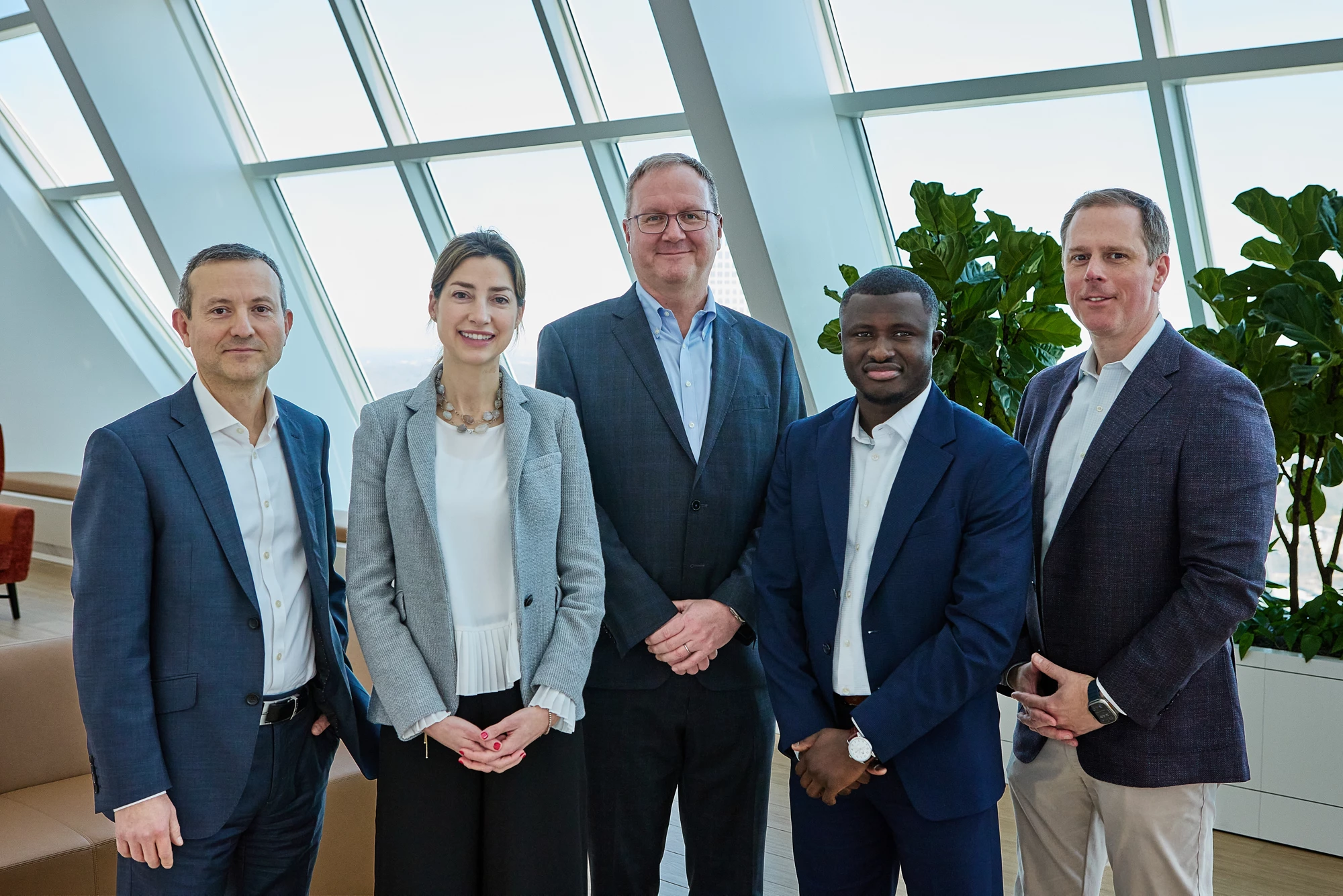
Meet Saikouna Jarju, a Senior Financial Risk Analyst at The Gambia’s Ministry of Finance. He shares how his Wells Fargo internship, through the IFC-Milken Institute Capital Markets Program, enriched his expertise in developed capital markets—insights he’ll take back home.
Please tell us about your background and what brought you to the program?
I was born in Sibanor, a village in western Gambia, where I completed secondary school, before earning a BSc in Economics and Finance from the University of The Gambia. I went on to earn a master’s degree from the Korea Development Institute in 2021, and a second master’s degree from HTW Berlin in 2024.
Currently, I work in the debt management office of The Gambia’s Ministry of Finance. My work focuses on Treasury policy, specifically working with the Central Bank to ensure that government financing needs are met at the lowest cost. This experience, and The Gambia’s recent initiative to establish a capital market, motivated me to join the IFC-Milken Institute Capital Markets Program. Several of my colleagues, including my supervisor, have completed the program, which I was confident would also prepare me to contribute meaningfully to the national goals.
How was your experience interning at Wells Fargo Corporate and Investment Banking?
It’s been an incredible experience. I had the opportunity to see firsthand how one of the world’s most advanced capital markets operate. The exposure to different teams, such as repo trading, sustainable finance and treasury, has given me a holistic view of U.S. capital markets. Back home, we’re still developing our capital markets, and the country passed its Capital Markets Act in 2021, so seeing how deep and liquid markets operate here is eye-opening.
The transition was smooth, thanks to the welcoming environment at Wells Fargo. Additionally, Georgetown University’s preparatory coursework helped acclimate me quickly.
I particularly enjoyed observing major trades, including a one of a kind $6 billion issuance. I also interacted with multiple trading desks and asset management teams and contributed through research and analysis. Beyond the technical exposure, the team’s open-door culture, the professional approach, and even the social interactions made this an unforgettable experience.
For Wells Fargo, what was it like being an internship provider and hosting Saikouna?
Erik Johnson, Managing Director, Global Institutional Rates & FX Sales: Our role as an internship provider is a natural extension of Wells Fargo’s existing business relationship with IFC. Our typical internship model focuses on undergraduate students, so hosting someone with Saikouna’s experience and international perspective was new and refreshing. His presence helped us reflect more on how international systems operate and how our work connects globally. Saikouna rotated across different teams, including asset management and credit trading, to broaden his understanding of global finance.
Carlos Perezgrovas, Head SSA Origination: Although it was our first time participating in this internship program, we’re eager to continue and are already thinking of ways to enrich this collaboration. Saikouna’s insights into how financial systems operate in The Gambia compared to the U.S. have sparked great discussions. He is a professional who brings real world experience, and we’ve all learned from him. It was my first time meeting someone from The Gambia, which has been an amazing experience on a personal and professional level. We look forward to more of such internship placements.
What skills have you gained that you hope to bring back to The Gambia, and with this new knowledge, what would you prioritize for capital market development?
I’ve gained deep exposure to U.S. market structures, technology, and instruments. I now know how to use the Bloomberg Terminal and have become familiar with trading systems like Calypso. I’ll take this knowledge back to help modernize The Gambia’s capital markets.
One of my top priorities will be to recommend broadening The Gambia’s investor base by engaging with more institutions, investing in financial infrastructure and regulatory institutions like a Securities and Exchange Commission. I plan to focus on introducing incentives and programs, like market-makers, to boost liquidity and confidence in our capital markets and strengthening financial education and public awareness of the various instruments available. All these priorities will require an investment in new technology that will allow The Gambia to integrate with global capital markets.
Any final thoughts and next steps?
Saikouna: I look forward to returning home to The Gambia and working with my colleagues at the Ministry of Finance to help shape the financial landscape of my country. Thanks to the IFC-Milken Institute Capital Markets Program I’m now equipped with the tools to do so, and I’m committed to applying everything I’ve learned to strengthen institutions, attract investors, and ensure that capital markets become a key driver of national development.
Carlos & Erik: This has been a mutually beneficial experience. The cross-learning—especially with professionals from emerging markets—adds immense value. We are proud to say that we’re the first internship provider to welcome an IFC-Milken Capital Markets Program participant to Charlotte, North Carolina, the second-largest U.S. banking hub, and we’d love to expand this to other departments.
The IFC-Milken Institute Capital Markets Program provides capital markets regulators and financial professionals in emerging markets with advanced skills, knowledge, and experience to develop effective and sustainable local capital markets in their home countries. Since 2016, the program has trained over 270 participants from 64 countries. For more information, click here.