

By Francisco Fernandez-Funes
When Dewi Peña launched her haircare business DEYA in the Dominican Republic in 2017, she had just US$1,500 in capital and a small workspace in the laundry room of her home. Like many entrepreneurs across the Caribbean, she had a promising idea, the determination to make it work, and ambitions to grow. Turning that vision into reality would require financing, knowledge, and support that many small businesses struggle to obtain.
Today, DEYA is a recognized manufacturer with international reach, creating opportunities for employees, suppliers, and distributors along the way. Its story reflects a broader reality across the Caribbean: micro, small, and medium enterprises (MSMEs) are among the region's most important drivers of economic growth and job creation, yet many still face significant constraints that can limit their potential.
The barriers take many forms. Some MSMEs need financing to invest in equipment, inventory, and expansion. Others have viable businesses but lack the traditional collateral or credit history required by lenders. Many operate in markets where financial services remain slow, fragmented, or difficult to access.
The World Bank Group’s new MSME strategy, launched in October at the Annual Meetings in Bangkok, aims to take on those constraints at scale by making small businesses visible, connected, enabled, and funded. Work already underway in the Caribbean shows what that looks like in practice: expanding access to capital, modernizing the rules on what lenders can accept as collateral, and using digital tools to make financial services faster and more accessible. Across the Caribbean, IFC, as part of the World Bank Group, is working with financial institutions, governments, and development partners to help build the financial ecosystems that MSMEs need to thrive.
Financing Growth in the Dominican Republic
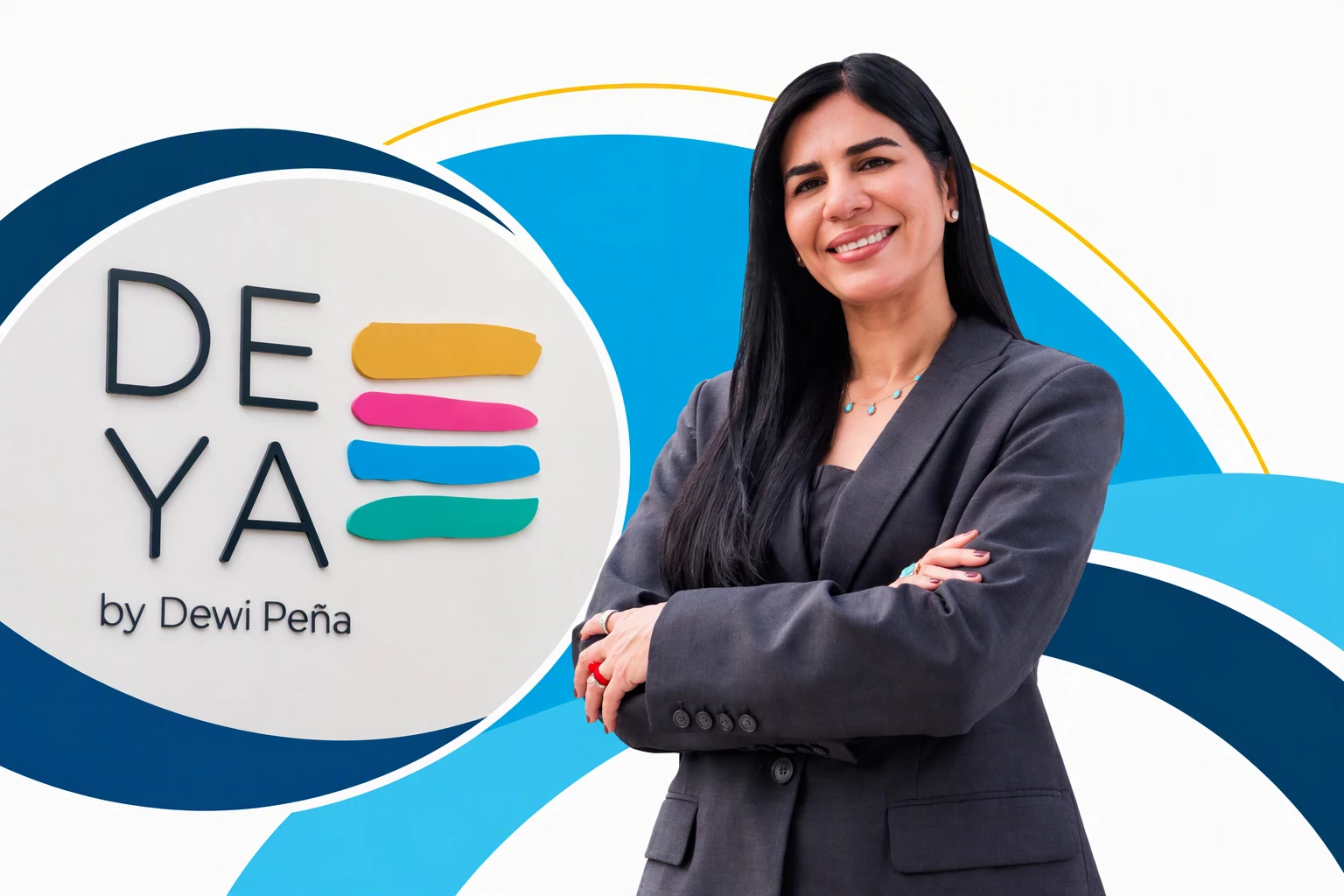 Dewi Peña launched DEYA from her home in Santo Domingo in 2017. Today, its specialized haircare products are used by many of the Dominican Republic's leading beauty salons. Photo: Daniel García / World Bank Group
For Dewi Peña, building DEYA from a home-based venture into a recognized Dominican haircare brand took time.
"The turning point came when we stopped simply selling products and began building a brand," she says. "This allowed us to gain credibility, grow more sustainably, and transform a venture that began in my home into a company with a national and international presence."
Founded in Santo Domingo, DEYA manufactures specialized haircare products used by many of the Dominican Republic’s leading beauty salons. As demand increased, the company needed larger inventories and greater production capacity. To finance that expansion, Peña turned to Banco BHD, one of the country's leading commercial banks and a long-standing IFC partner.
"Financing played a very important role because it allowed us to accelerate processes that would otherwise have taken much longer," Peña says.
Banco BHD's support helped DEYA sustain its expansion, including into markets such as the United States and Panama. As the business grew, so did its contribution to the local economy.
"We generate direct and indirect jobs for dozens of people," Peña says.
A recent IFC loan of US$75 million, half of it earmarked for women-owned small and medium enterprises, helped expand Banco BHD's ability to support entrepreneurs like Peña.
The investment builds on a broader partnership between IFC and Banco BHD to expand opportunities for women entrepreneurs. Over the years, IFC has combined investment and advisory support to help the bank develop products, services, and programs tailored to women-owned businesses.
"Since we began designing our Women's Strategy, IFC has been by our side," says Elizabeth Rojas, Second Vice President for Women's Business Strategy at Banco BHD. She credits IFC's global experience and technical expertise with helping Banco BHD design and strengthen the strategy over time.
The partnership has translated into practical initiatives that provide women entrepreneurs with support beyond financing. One example is EMPRO RD, a program that supported more than 100 women entrepreneurs with training, mentoring, and business development tools. Peña was among the program's standout participants.
For the founder of DEYA, those non-financial services proved almost as valuable as access to capital itself.
"Banco BHD's support has been incredible," she says. "Having that support network helped me sustain the company's growth."
DEYA's experience illustrates a broader lesson. Supporting entrepreneurs is not only about providing credit. It is also about helping businesses strengthen their capabilities, expand into new markets, and create jobs. By partnering with institutions such as Banco BHD, IFC is helping build the ecosystem that allows more women-owned businesses to make that transition and grow at scale.
Saint Lucia: Cutting a New Path
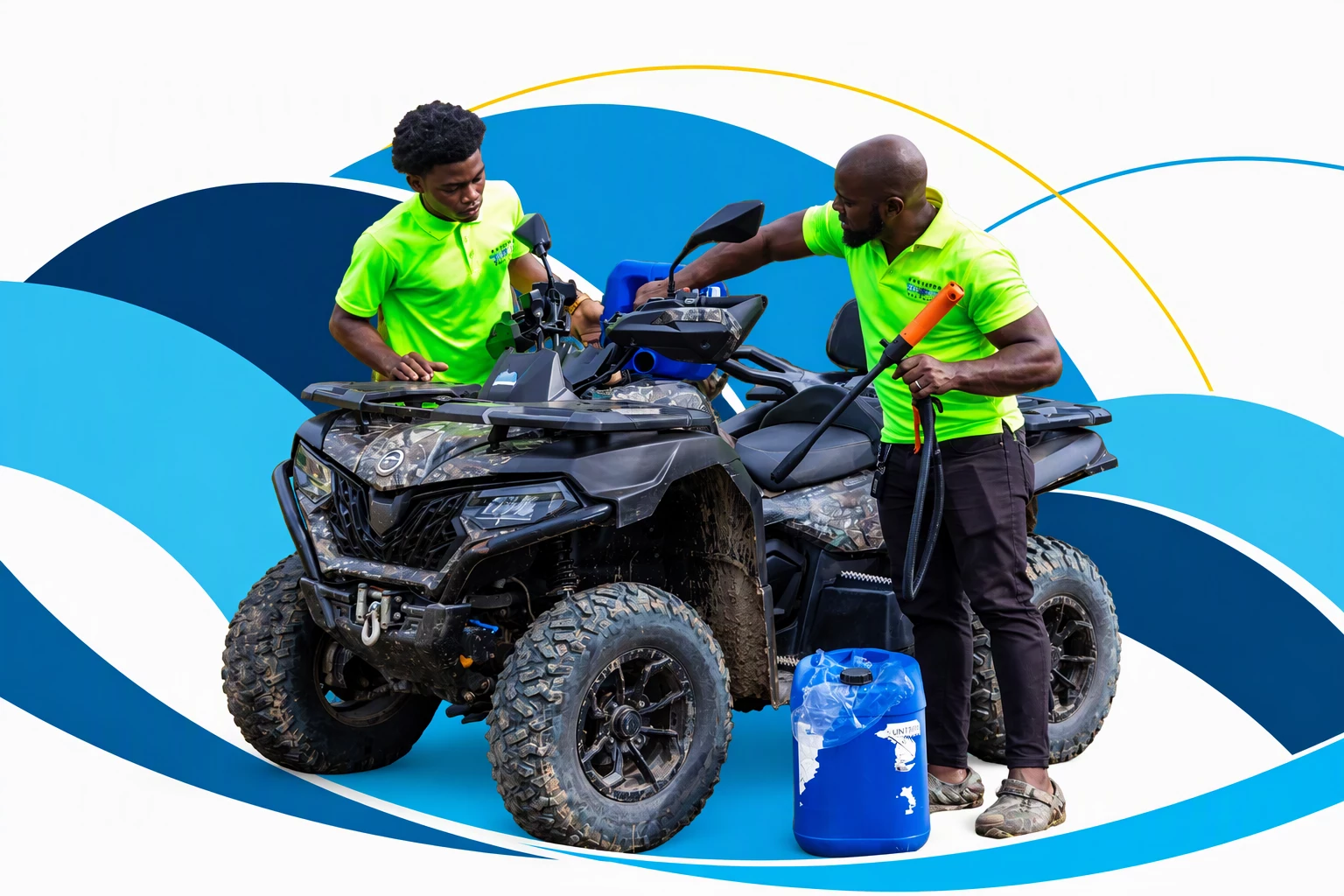 Elius Ford (right) turned his passion for off-roading into Eastern Exotic ATV Tours, showcasing Saint Lucia's east coast and connecting visitors with local communities. Photo: Lanmen Photography / World Bank Group
For nearly two decades, Elius Ford worked behind the scenes in Saint Lucia's hospitality industry, helping hotels keep their IT systems running smoothly. All the while, he was nurturing a dream of his own.
In 2022, he began putting that dream on paper. Ford grew up on the eastern side of Saint Lucia, a Caribbean island of roughly 180,000 people known for its natural beauty and tourism industry. While visitors flocked to the country's better-known attractions, the east coast remained largely overlooked.
"I always wanted to create something tourism-centered on my side of the island," he says.
Inspired by his passion for off-roading and his experience in hospitality, Ford launched Eastern Exotic ATV Tours, a business designed not only to offer adventure excursions on all-terrain vehicles (ATVs), but also to connect visitors with local communities and showcase a side of Saint Lucia many tourists never see.
Getting the company off the ground, however, required financing, and Ford lacked the real estate or other fixed assets that traditional lenders typically require as collateral.
Then an alternative became available.
Thanks to Saint Lucia's evolving secured transactions framework, businesses can increasingly use movable assets as collateral. In Ford's case, the very ATVs he planned to operate became part of the solution.
"Being able to use the ATVs as collateral helped me tremendously," he says. "It changed the scope of what I could do and how far I could go."
The financing allowed him to acquire equipment, launch operations, and begin building the business from the ground up.
What followed exceeded even his expectations.
One year after opening its doors in early 2024, Eastern Exotic ATV Tours was attracting roughly 100 visitors per month and creating jobs in a community where tourism-related opportunities had previously been limited.
"When I started, I had one employee," Ford says. "By March, I had two. By the summer, I had three, and before the end of the year, I had four."
Yet Ford is quick to point out that the impact extends beyond his own payroll.
His tours bring visitors into local communities, creating income for local taxi drivers, cultural performers, artisans, schools, and community organizations.
"In short, Eastern Exotic is not the only beneficiary," Ford says.
His experience illustrates the power of a seemingly technical reform. Working with the country’s National Competitiveness and Productivity Council, IFC and the World Bank helped develop a secured transactions framework and modern collateral registry that enable entrepreneurs to use movable assets such as equipment, inventory, machinery, vehicles, or crops to access financing.
IFC also supported the implementation of the new system, including stakeholder training and the development of reporting tools to help monitor its use and inform policy decisions. The project is part of a broader World Bank Group effort to strengthen financial inclusion and support private sector growth across the Eastern Caribbean.
By making it easier for lenders to accept movable assets as collateral, the reform is helping unlock credit for entrepreneurs who may never have qualified under traditional lending models. With more than 5,000 registrations recorded since the system's launch in November 2023, the new framework is broadening access to finance across Saint Lucia and could provide a model for the wider region.
Looking back, Ford's advice to other entrepreneurs is simple:
"When you cannot find a road, you need to cut your own path."
In Saint Lucia, enhanced access to finance helped him do exactly that.
Reimagining Banking for the Digital Age
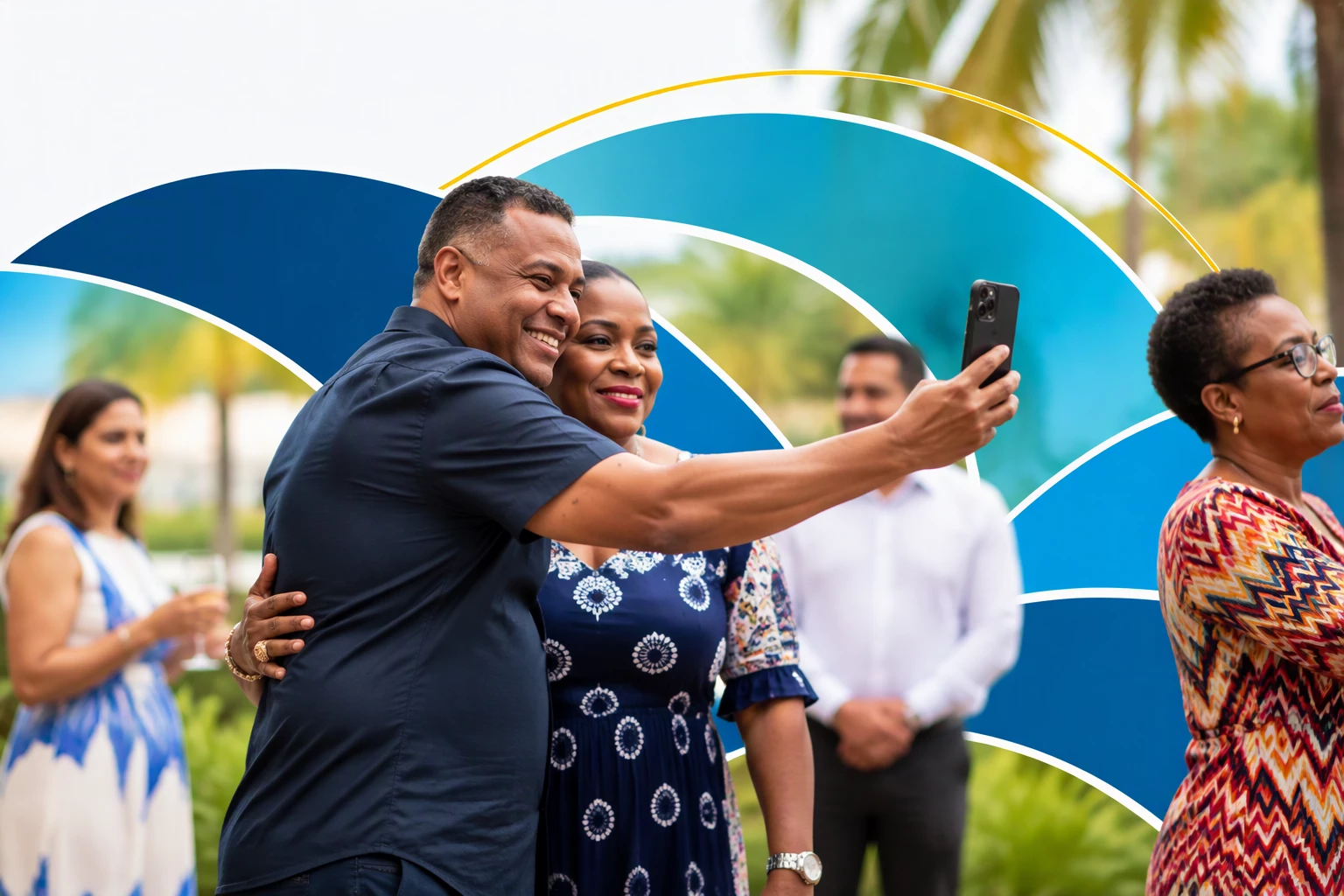 Bank leaders from across the Caribbean joined DigiLab Finance to develop practical digital transformation strategies aimed at making financial services faster and easier to access. Photo: Andrew Browne / World Bank Group
Not every obstacle to financing is about access to capital or collateral. For many entrepreneurs across the Caribbean, the challenge is time.
Applying for a loan can still involve paper forms, multiple branch visits, and lengthy approval processes. In rural communities, even routine banking transactions can require trips to town, adding meaningful out-of-pocket expenses to activities that should be simple. While customer expectations are rapidly changing, many financial institutions continue to rely on legacy systems and manual procedures that slow service delivery and increase costs.
Recognizing these challenges, a team from the Grenada Co-operative Bank Limited (Co-op Bank) participated in DigiLab Finance Caribbean, an accelerator program developed by IFC in partnership with the Caribbean Development Bank (CDB) and the Caribbean Association of Banks (CAB).
For ten weeks, the bank's leadership team stepped away from day-to-day operations to examine a fundamental question: how could they better serve clients in an increasingly digital world?
Alongside peers from nine banks in seven other Caribbean countries, all seeking to expand digital access for their clientele, Co-op Bank executives worked with IFC specialists and mentors to map customer journeys, identify friction points, and develop actionable digital transformation roadmaps. The exercise was not simply about technology. It was about changing how institutions think, operate, and engage with customers.
"What makes DigiLab particularly powerful is that banks are learning from each other," says Raul Nava, IFC Regional Lead for Digital Financial Services in Latin America and the Caribbean. "We're building a Caribbean community of practice in digital transformation."
The results have been tangible. Participating institutions identified opportunities to reduce account-opening times from multiple days to as little as 30 minutes through digital onboarding solutions. Others focused on digitizing loan approval processes, projecting reductions in processing times of up to 40 percent.
For entrepreneurs, these improvements matter.
A restaurant owner seeking financing for a second location, a farmer preparing for the next harvest season, or a woman entrepreneur launching a new venture may never see the technology behind the scenes. What they experience instead is faster decisions, easier access to financial services, and fewer barriers standing between them and the next step in their business life cycle.
"DigiLab Finance challenged us to think differently about how we serve our clients. The program helped us to identify practical ways to simplify processes, strengthen our digital capabilities, and improve access to financial services for all our customers, including MSMEs, which typically face barriers when accessing financial solutions," says Willvorn Grainger, Chief Experience Officer at the Co-op Bank.
The initiative's ambitions extend well beyond any single institution. By strengthening digital capabilities across the Caribbean banking sector, IFC, CDB, and CAB are helping build a more competitive, inclusive, and resilient financial ecosystem.
Different Paths, Shared Impact: More Jobs and Opportunities
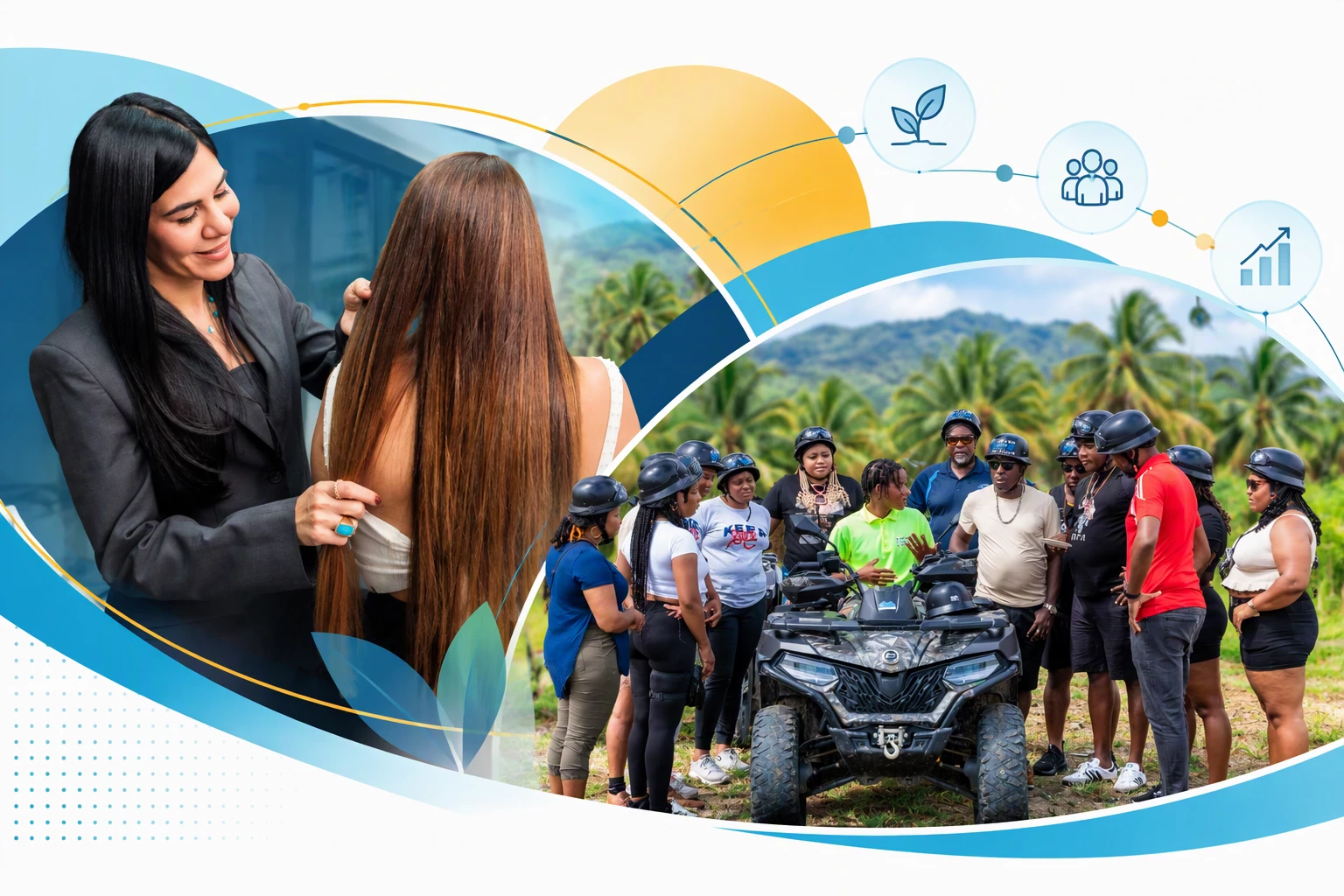 Left: Financing and business support from Banco BHD helped Dewi Peña strengthen DEYA’s production capacity and sustain its growth. Right: Saint Lucia’s secured transactions framework enabled Elius Ford to use his ATVs as collateral to launch a business creating jobs and opportunities in eastern Saint Lucia. Photos: Daniel García / World Bank Group (left); Lanmen Photography / World Bank Group (right).
The stories of DEYA, Eastern Exotic ATV Tours, and the institutions participating in DigiLab Finance highlight different dimensions of the same challenge: helping MSMEs access the tools they need to succeed.
In the Dominican Republic, capital flowed through a trusted financial institution equipped to support women-owned businesses. In Saint Lucia, policy reforms transformed movable assets into a viable pathway to financing. Across the Caribbean, digital innovation is helping financial institutions deliver faster, more accessible services to the small businesses that drive regional economies.
"Jobs are created when entrepreneurs have the right tools to grow," says Elizabeth Marcano, IFC Division Director for the Andean Countries and the Caribbean. "Stronger financial ecosystems help MSMEs start, expand, hire, and unlock opportunities in their communities."
Different paths, but a shared result: stronger businesses, more jobs, and greater opportunity across the Caribbean.
Published in November 2026